
Mastering Technical SEO: A Comprehensive Guide to Boosting Your Website’s Performance
In the fast-paced world of digital marketing, Technical SEO is an essential, yet often overlooked, aspect of optimizing your website for search engines. While creating engaging content and building quality backlinks is critical, without a solid technical foundation, your efforts may not yield the desired results. Technical SEO ensures that your website is fully optimized for search engines to crawl, index, and rank it effectively.
In this detailed guide, we will explore the intricacies of Technical SEO, breaking down the essential elements, tools, and actionable steps that can elevate your website’s performance on search engine results pages (SERPs).
What is Technical SEO?
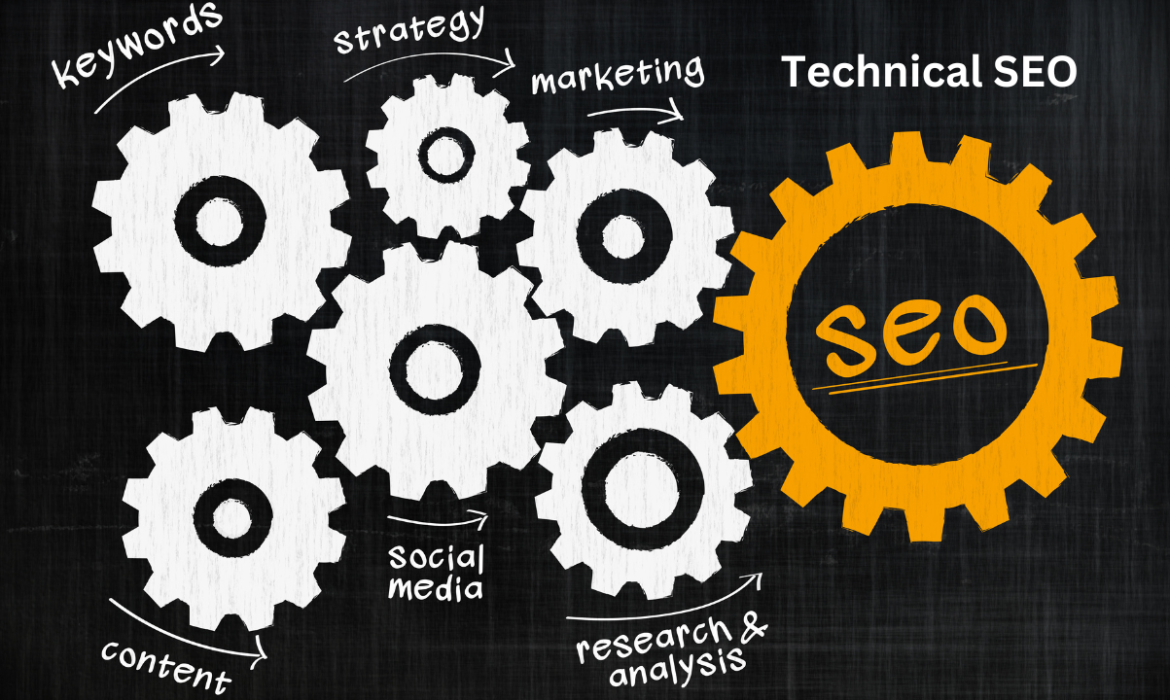
Technical SEO refers to optimizing your website’s technical infrastructure, making it easier for search engines like Google to crawl, interpret, and index your content. This process involves a range of elements, including website speed, mobile-friendliness, security, structured data, and more. Implementing technical SEO best practices creates a seamless user experience and ensures search engines can easily access and rank your site.
Effective Technical SEO serves as the foundation upon which your content and off-page SEO efforts will build, making it a key part of any successful SEO strategy.
Key Elements of Technical SEO
1. Website Speed Optimization
Website speed is a critical ranking factor that impacts both user experience and SEO. Users expect fast-loading pages, and Google rewards websites that provide a smooth experience with higher rankings. A slow website can result in high bounce rates and reduced visibility.
Ways to Improve Website Speed:
- Minimize HTTP Requests: Each file (CSS, JavaScript, images) sends a separate request to the server. Reducing these requests speeds up the loading time.
- Use Lazy Loading: Lazy loading ensures that only the images and content visible to the user load initially, improving page speed.
- Enable Compression: Use Gzip compression to reduce the file size of HTML, CSS, and JavaScript files.
- Optimize Images: Compress and resize images without losing quality using tools like TinyPNG or ImageOptim.
- Leverage Browser Caching: Store frequently used files locally in the browser, so users don’t have to download them again on subsequent visits.
- Use a CDN: A Content Delivery Network (CDN) stores your website data on servers around the world, reducing the distance data needs to travel, leading to faster load times.
2. Mobile-Friendliness and Mobile-First Indexing
As mobile traffic continues to rise, Google has adopted a mobile-first indexing policy. This means Google primarily uses the mobile version of your website for ranking and indexing. Sites that aren’t mobile-friendly risk losing valuable organic traffic.
To Ensure Mobile-Friendliness:
- Responsive Design: Ensure your website adjusts seamlessly to different screen sizes and devices. This provides a consistent user experience on mobile, tablet, and desktop devices.
- Readable Text: Use legible font sizes, ensuring that users don’t need to zoom in or out.
- Avoid Flash: Mobile devices often don’t support Flash, and its usage can slow down your site. Opt for HTML5 or JavaScript instead.
- Touch-Friendly Elements: Ensure buttons, links, and form fields are large enough to interact with easily on a touch screen.
Use Google’s Mobile-Friendly Test to evaluate your site’s performance on mobile devices.
3. Crawlability and Indexability
For search engines to rank your site, they need to be able to crawl (navigate) and index (store) your web pages in their databases. Any barriers to crawlability or indexability can prevent search engines from accessing your content.
Best Practices for Crawlability and Indexability:
- XML Sitemap: Create and submit an XML sitemap to Google Search Console. This acts as a roadmap for search engines, ensuring all your important pages are crawled.
- Robots.txt File: Use a properly configured robots.txt file to direct search engines on which pages they should or shouldn’t crawl. Ensure you’re not unintentionally blocking key pages from being crawled.
- Noindex Tags: Use the “noindex” meta tag to prevent search engines from indexing certain pages (e.g., duplicate content, thank you pages, etc.).
- Internal Linking: Establish a logical and hierarchical internal linking structure. This helps search engines discover new content and understand the relationship between pages.
4. Structured Data and Schema Markup
Structured data helps search engines understand your content in more detail. By adding schema markup, you can provide search engines with information about your products, reviews, events, and more. This often results in rich snippets, which are enhanced search listings that can improve your click-through rates (CTR).
Popular Schema Types:
- Product Schema: Displays product details such as price, availability, and reviews.
- Review Schema: Shows star ratings and aggregate scores for products or services.
- Breadcrumb Schema: Displays a website’s navigation path in search results.
- FAQ Schema: Helps websites with frequently asked questions appear as rich results in Google.
Use tools like Google’s Structured Data Testing Tool and Schema.org to implement and validate schema markup on your site.
5. HTTPS and Security
In 2014, Google announced HTTPS as a ranking signal, which means that websites with SSL certificates (indicating they are secure) are given preference over those without. Websites that lack an HTTPS designation are marked as “Not Secure” by browsers, deterring visitors and reducing trust.
Steps to Secure Your Website:
- Install an SSL Certificate: This ensures secure communication between users and your website. You can obtain one from your hosting provider or a certificate authority.
- Update All URLs to HTTPS: After installing the SSL certificate, ensure that all your internal links, images, and scripts are pointing to the HTTPS version.
- Implement 301 Redirects: Redirect HTTP URLs to their HTTPS versions to avoid losing link equity.
- Update Google Search Console: Make sure to update the URL to reflect the HTTPS version.
6. Fixing Duplicate Content Issues
Duplicate content can confuse search engines, making it harder for them to decide which page to rank. This can dilute the authority of your pages and lower your rankings.
Ways to Fix Duplicate Content:
- Canonical Tags: Use canonical tags (
rel=canonical) to tell search engines which version of a page should be considered the “master” version. - 301 Redirects: Redirect duplicate pages to the original or preferred page using 301 redirects.
- Avoid URL Parameters: URL parameters (e.g.,
?id=1234) can create different versions of the same page. Use parameter handling tools in Google Search Console to fix this.
7. Handling Broken Links (404 Errors)
Broken links are a poor user experience and can also disrupt a search engine’s ability to crawl your site. When a user lands on a 404 error page, they may leave your site, increasing your bounce rate.
Fix Broken Links by:
- Regularly Auditing Your Site: Use tools like Screaming Frog or Ahrefs to detect broken links.
- Creating Custom 404 Pages: Design an engaging and helpful 404 page to guide users back to useful content.
- Implementing 301 Redirects: Redirect outdated or broken URLs to their updated counterparts.
Best Practices for Technical SEO
- Perform Regular Technical Audits Use tools like Google Search Console, Screaming Frog, SEMrush, or Ahrefs to regularly audit your site’s health. These tools will identify crawl errors, broken links, duplicate content, and other technical issues.
- Optimize for Core Web Vitals Core Web Vitals are a set of metrics introduced by Google to measure user experience. They focus on three key areas: page loading performance, interactivity, and visual stability. Improving your Largest Contentful Paint (LCP), First Input Delay (FID), and Cumulative Layout Shift (CLS) scores can enhance your rankings.
- Create a Clean URL Structure A well-structured URL is not only user-friendly but also makes it easier for search engines to understand the page’s content. Use descriptive, readable URLs that are short and contain your target keyword where possible. Avoid the use of session IDs or excessive parameters.
- Utilize Proper Canonicalization Canonicalization helps prevent duplicate content issues by telling search engines which version of a page to prioritize. Ensure your site’s canonical tags are correctly implemented, especially for pages with similar or duplicate content.
- Monitor Server Performance Your server’s performance is integral to your site’s speed and uptime. Ensure that your hosting solution is reliable, and perform regular maintenance to keep your server running efficiently.
The Role of Technical SEO in Rankings
Technical SEO lays the foundation for successful SEO strategies. Without ensuring that your website is technically optimized, even the best content may go unnoticed by search engines. Improving technical aspects such as speed, mobile performance, crawlability, and security not only helps search engines rank your site higher but also provides a better user experience—resulting in lower bounce rates and higher engagement.
Search engines reward sites that offer a fast, secure, and seamless user experience. Investing in Technical SEO ensures that your site will continue to grow in organic search and stay competitive in the ever-evolving digital landscape.
Conclusion
Mastering Technical SEO is key to ensuring that your website performs well on search engines. From enhancing site speed and ensuring mobile-friendliness to implementing structured data and securing your site with HTTPS, every detail counts. Regular technical audits, optimization for Core Web Vitals, and a focus on providing
Comprehensive Guide to Off-Page SEO: Boosting Your Website’s Credibility and Ranking
In the realm of Search Engine Optimization (SEO), off-page SEO holds an equally important role as its counterpart, on-page SEO. It refers to all the actions you take outside your website to improve its visibility and authority. This involves strategies that establish your website as a trustworthy and authoritative resource, recognized by search engines through external signals like backlinks, social media mentions, and brand citations.
Off-page SEO is more than just link-building—it’s about building your website’s reputation across the web, fostering user trust, and establishing long-term relevance in your niche. In this detailed guide, we’ll dive deeper into off-page SEO, including how it works, why it’s important, and advanced strategies to strengthen your efforts.
What Exactly is Off-Page SEO?
Off-page SEO refers to all activities performed outside the boundaries of your website to improve its rankings in search engine results. The focus is on increasing the authority, trustworthiness, and relevance of your domain through various techniques.
Think of off-page SEO as “reputation management” for your website. Search engines like Google see these external signals as votes of confidence. The more credible, high-quality, and relevant these votes (or backlinks and brand mentions) are, the better your website will rank.
Why Off-Page SEO Matters
Here’s why off-page SEO is crucial to your overall SEO strategy:
- Improves Domain Authority and Trustworthiness
Domain authority (DA) and PageRank (Google’s ranking score) are critical factors in determining your position in search results. Websites with high authority typically rank higher in search results than lower-authority websites. Off-page SEO techniques, especially link-building from authoritative sites, are key to boosting this authority. - Drives Referral Traffic
Backlinks from other sites not only improve your search rankings but can also bring direct referral traffic to your site. Visitors who find your site through these backlinks are often more engaged since they were directed by trusted sources. - Increases Brand Exposure
When more external sites mention or link to your brand, it enhances your brand visibility. Social media engagement, influencer collaborations, and positive online mentions can greatly improve your brand’s presence and attract new audiences. - Builds Trust and Credibility
Off-page SEO elements like online reviews, mentions from reputable sites, and endorsements from industry influencers contribute to building trust with both users and search engines. Google considers these signals to ensure that your site is a legitimate, valuable resource.
Key Off-Page SEO Strategies
While link-building remains a core component of off-page SEO, other tactics also play a significant role. Below are the most important strategies:
1. Link Building
Link-building is the practice of obtaining backlinks from other websites to yours. Google uses these links as an indicator of the credibility and authority of your website.
Types of Backlinks:
- Natural Backlinks: These are organic, unsolicited links from other websites that recognize the quality of your content and link to it without any prompt. These are the most valuable backlinks.
- Manual Backlinks: These are acquired through deliberate outreach efforts, such as contacting bloggers or industry leaders to ask them to link to your site.
- Self-Created Links: While less valuable, you can create backlinks through guest posting, blog comments, forum signatures, or directory submissions. However, Google warns against using manipulative tactics to gain links, so it’s essential to focus on quality and relevance.
Best Practices for Link Building:
- Focus on High-Quality Links: Getting backlinks from high-authority, trusted websites (such as government, educational institutions, and reputable businesses) is much more beneficial than accumulating a large number of low-quality links.
- Earn Contextual Links: Backlinks should be contextually relevant. For instance, if your site is about fitness, getting a backlink from a fitness blog holds more value than one from a site about home décor.
- Use Diversified Link Sources: Make sure your links come from various sources (blogs, news articles, business directories, social platforms, etc.) to show that your content is widely valued.
- Avoid Black-Hat Techniques: Engaging in practices like buying links or joining link farms can result in penalties from search engines, drastically hurting your rankings.
2. Content Marketing (Guest Posting and Contributions)
Creating valuable content that can be distributed outside of your website is a powerful off-page SEO tactic. This includes guest posts, interviews, and articles published on other websites or platforms within your industry. It’s a way of positioning yourself as an expert in your field while earning authoritative backlinks.
Content Formats for Off-Page SEO:
- Guest Blogging: Writing articles for high-authority websites in your niche is one of the most effective ways to build backlinks. In addition, guest blogging helps you build relationships within your industry.
- Infographics and Visual Content: Visual content, such as infographics, is highly shareable and linkable. When other sites embed your infographic with proper attribution, you gain backlinks.
- Podcast Participation: Appearing on industry podcasts or creating your own is an excellent way to get exposure and potentially earn backlinks when the episodes are shared on blogs and websites.
3. Social Media Signals
Though social media signals (such as likes and shares) aren’t direct ranking factors, they can indirectly influence your off-page SEO by boosting content visibility and brand awareness. Social media platforms are effective tools for promoting your content, engaging with your audience, and driving traffic to your site.
Best Practices for Social Media:
- Share Valuable Content Regularly: Share blog posts, infographics, videos, and other engaging content to increase brand visibility and potential backlink opportunities.
- Engage with Influencers: By collaborating with influencers and industry leaders, you can expand your reach and gain credibility, which can lead to mentions or backlinks.
- Promote User Engagement: The more your audience interacts with your posts, the more likely it is to be shared widely, increasing your content’s reach.
4. Brand Mentions and Citations
Unlinked brand mentions (when your brand is referenced without a backlink) are an essential part of off-page SEO. Search engines like Google view these mentions as trust signals, improving your authority and ranking potential.
Strategies for Building Brand Mentions:
- Media Coverage: Press releases and news articles about your business can generate valuable brand mentions on news sites and blogs.
- Online Reviews and Testimonials: Having positive reviews on platforms like Google My Business, Yelp, and Trustpilot builds your online credibility and influences how search engines perceive your brand.
- Collaborations: Partnering with influencers, guest blogging, or sponsoring events can lead to brand mentions on high-authority websites.
5. Local SEO and Business Listings
For businesses targeting a local audience, local SEO and business listings play a crucial role in off-page optimization. Claiming and optimizing your business profile on platforms like Google My Business and ensuring your business details (name, address, phone number) are consistent across all online directories can boost your visibility in local search results.
Local SEO Best Practices:
- Google My Business Optimization: Ensure your profile is complete, with accurate information, customer reviews, and engaging photos.
- Local Citations: Get your business listed on relevant local directories such as Yelp, Yellow Pages, and TripAdvisor. Consistent and accurate citations help search engines verify the legitimacy of your business.
- Encourage Online Reviews: Positive reviews on third-party platforms build trust and improve local SEO rankings.
6. Influencer and Blogger Outreach
Reaching out to influencers and bloggers in your niche can help promote your content, increase brand awareness, and attract backlinks. Collaborating with people who have established authority in your industry can amplify your off-page SEO efforts.
Tips for Successful Outreach:
- Personalize Your Outreach: Generic outreach emails are less likely to succeed. Tailor your message to the individual, explaining why your content would be beneficial to their audience.
- Build Relationships: It’s not just about asking for a link. Establish long-term relationships by engaging with influencers and offering value.
- Create Shareable Content: Content such as infographics, research studies, or comprehensive guides are more likely to be shared and linked to by influencers.
Advanced Off-Page SEO Techniques
- Broken Link Building: This involves finding broken links on other websites, reaching out to the webmaster, and suggesting your content as a replacement. This technique benefits both parties, as the website owner fixes a broken link, and you gain a valuable backlink.
- Skyscraper Technique: Coined by SEO expert Brian Dean, this strategy involves finding high-ranking content, creating something better, and then reaching out to the websites that link to the original content, offering your improved version as a replacement.
- Digital PR Campaigns: Launching a digital PR campaign by creating newsworthy content, such as original research or insightful studies, can help your brand gain attention in media outlets and other authoritative websites, resulting in high-quality backlinks.
Conclusion
Off-page SEO is essential for building authority and increasing the visibility of your website in search results. By implementing a diverse set of strategies, including link-building, content marketing, social media engagement, and brand mentions, you can significantly improve your site’s SEO performance. Off-page SEO takes time to show results, but the long-term benefits of building a reputable, authoritative web presence are worth the investment.
On-Page SEO: A Comprehensive Guide to Boosting Your Website’s Visibility
In the competitive digital landscape, a robust online presence is crucial for businesses and individuals. One of the most effective ways to achieve this is through On-Page SEO. This article will explore On-Page SEO in detail, breaking down its components and offering actionable strategies to improve your website’s search engine rankings and user experience.
What is On-Page SEO?
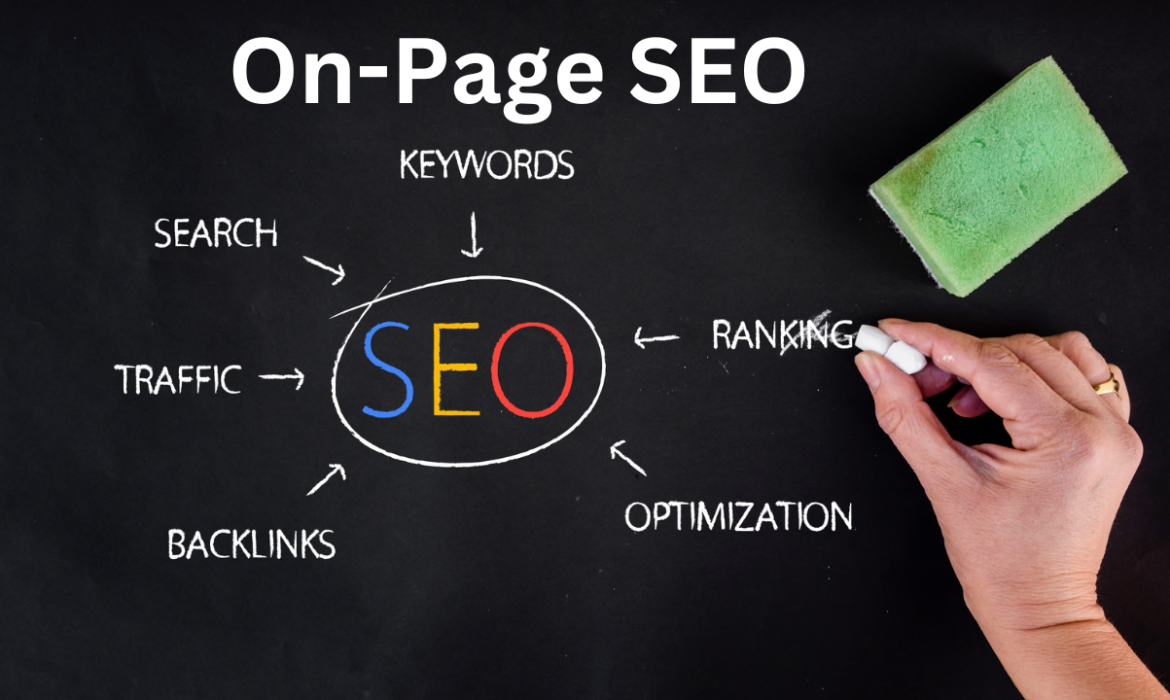
On-page SEO involves optimizing individual web pages to improve their visibility in search engine results and drive relevant traffic. Unlike Off-Page SEO, which focuses on external factors such as backlinks and social media engagement, On-Page SEO focuses on a page’s content and HTML source code. The goal is to ensure that search engines can easily crawl, index, and understand your content, ultimately leading to higher rankings for targeted keywords.
The Importance of On-Page SEO
Effective On-Page SEO has several benefits:
- Improved Search Rankings: Proper optimization can lead to higher rankings in search engine results pages (SERPs), making your content more discoverable.
- Increased Organic Traffic: Higher rankings typically result in more clicks and visits from users actively searching for your content.
- Enhanced User Experience: A well-structured website with quality content and fast loading times provides a better experience for visitors, encouraging them to stay longer and engage with your content.
- Better Conversion Rates: Optimized pages that meet users’ needs are more likely to convert visitors into customers or leads.
Key Elements of On-Page SEO
Here’s a detailed breakdown of the critical components of On-Page SEO:
- Title Tags
- Definition: The title tag is an HTML element that specifies the title of a web page. It is displayed in SERPs as the clickable headline for a given result.
- Best Practices:
- Include your primary keyword near the beginning.
- Keep it under 60 characters to avoid truncation in search results.
- Ensure each title tag is unique to avoid confusion and duplication.
- Meta Descriptions
- Definition: A meta description is a summary of a web page’s content. Although it doesn’t directly affect rankings, it plays a significant role in attracting clicks.
- Best Practices:
- Write compelling and concise summaries (150-160 characters).
- Include relevant keywords to improve visibility.
- Use action-oriented language to encourage clicks.
- Header Tags (H1, H2, H3, etc.)
- Definition: Header tags help structure your content hierarchically. H1 is the main title, while H2 and H3 denote subheadings and sub-subheadings.
- Best Practices:
- Use one H1 tag per page, incorporating the primary keyword.
- Utilize H2 and H3 tags to break up content and include secondary keywords.
- Ensure headers accurately reflect the content beneath them.
- Keyword Optimization
- Definition: Keyword optimization involves strategically placing relevant keywords throughout your content to improve its relevance to search queries.
- Best Practices:
- Conduct thorough keyword research using tools like Google Keyword Planner, Ahrefs, or SEMrush.
- Naturally integrate primary and secondary keywords into your content, particularly in the first 100 words.
- Avoid keyword stuffing, which can lead to penalties.
- Content Quality
- Definition: Content quality refers to the depth, relevance, and engagement of the material you present on your website.
- Best Practices:
- Create in-depth, informative content that addresses the needs and interests of your target audience.
- Use a mix of text, images, videos, and other media to enhance engagement.
- Regularly update your content to keep it relevant and accurate.
- URL Structure
- Definition: URL structure refers to how the web addresses of your pages are organized. A clean URL structure improves usability and SEO.
- Best Practices:
- Use short, descriptive URLs that include relevant keywords.
- Avoid using special characters or long strings of numbers.
- Use hyphens to separate words (e.g.,
example.com/on-page-seo).
- Image Optimization
- Definition: Image optimization involves using images effectively to enhance content while minimizing load times.
- Best Practices:
- Compress images to reduce file size without sacrificing quality.
- Use descriptive file names and include relevant keywords in the alt text.
- Consider using responsive images to improve loading times on mobile devices.
- Internal Linking
- Definition: Internal linking refers to linking to other pages within your website, helping users navigate and providing search engines with context about your content.
- Best Practices:
- Use descriptive anchor text that indicates what the linked page is about.
- Link to relevant pages to enhance user experience and improve SEO.
- Ensure a reasonable number of internal links on each page to avoid overwhelming users.
- Mobile-Friendliness
- Definition: Mobile-friendliness refers to how well your website performs on mobile devices.
- Best Practices:
- Use responsive design to ensure your website adapts to different screen sizes.
- Test your website on various mobile devices to ensure usability.
- Implement mobile-specific optimizations, such as larger buttons and touch-friendly navigation.
- Page Load Speed
- Definition: Page load speed refers to how quickly your web pages load. Fast load times are crucial for both user experience and SEO.
- Best Practices:
- Optimize images and reduce file sizes to improve loading speed.
- Minimize HTTP requests and combine CSS and JavaScript files.
- Use browser caching and content delivery networks (CDNs) to speed up load times.
- Schema Markup
- Definition: Schema markup is a type of code that you can add to your website to help search engines understand the content better and provide richer search results.
- Best Practices:
- Use Schema.org vocabulary to implement structured data relevant to your content.
- Focus on schema types that are most relevant to your website, such as articles, products, or local business information.
- Test your schema markup using Google’s Structured Data Testing Tool.
Best Practices for On-Page SEO
To maximize the effectiveness of your On-Page SEO efforts, consider the following best practices:
- Regular Audits: Perform regular audits of your website using tools like SEMrush, Moz, or Ahrefs to identify areas for improvement and ensure compliance with current SEO practices.
- User Experience: Prioritize user experience by ensuring your website is easy to navigate, visually appealing, and accessible on all devices.
- Monitor Performance: Use Google Analytics and Google Search Console to monitor the performance of your pages, analyze traffic sources, and refine your strategies based on data-driven insights.
- Content Updates: Regularly update your content to keep it fresh and relevant. Search engines favor regularly updated content, which can lead to improved rankings.
- Competitor Analysis: Keep an eye on your competitors’ On-Page SEO strategies. Analyze their content, keywords, and overall performance to identify opportunities for your improvement.
- Stay Updated: SEO is an ever-evolving field. Stay informed about the latest trends, algorithm updates, and best practices by following reputable SEO blogs and attending industry conferences.
Conclusion
On-page SEO is an essential aspect of any digital marketing strategy. By optimizing individual web pages through effective keyword placement, high-quality content, and user-friendly design, you can significantly enhance your website’s visibility and drive more organic traffic. Implement these On-Page SEO best practices, and watch your search engine rankings improve over time. Remember that SEO is a continuous process; staying updated with the latest trends and algorithm changes is vital to maintaining a competitive edge in the digital marketplace. By committing to On-Page SEO, you’re investing in the long-term success of your online presence.