
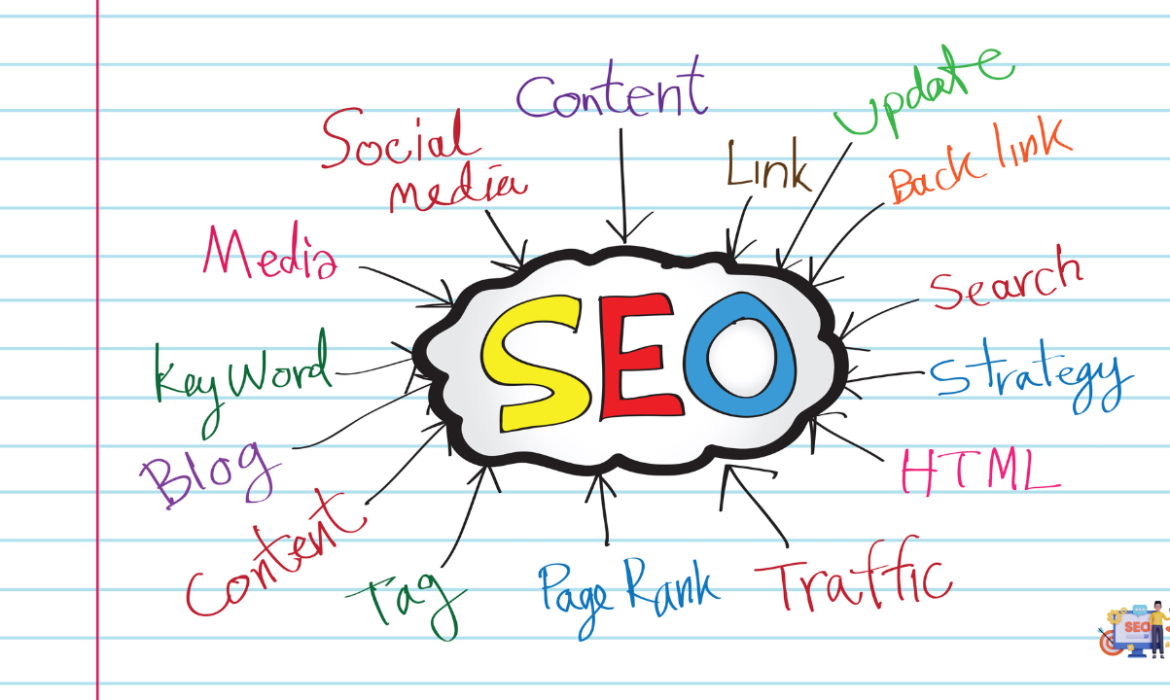
On-Page SEO: The Ultimate Guide to Optimizing Your Website for Search Engines
In the world of digital marketing, search engine optimization (SEO) is the cornerstone of online visibility. Among the different types of SEO, on-page SEO plays a crucial role in ensuring that your website ranks higher on search engine results pages (SERPs). This article will guide you through everything you need to know about on-page SEO, its importance, and how to implement it effectively to boost your website’s performance.
What is On-Page SEO?
On-page SEO (also known as on-site SEO) refers to the practice of optimizing individual web pages to improve their ranking in search engines and attract more organic traffic. This involves enhancing the content, HTML source code, and technical aspects of a webpage to make it more search engine-friendly. Unlike off-page SEO, which deals with external factors like backlinks, on-page SEO focuses on elements within your website that you can control.
Why is On-Page SEO Important?
- Improves Search Engine Ranking: Proper on-page optimization helps search engines understand your content, making it easier for them to index and rank your web pages.
- Enhances User Experience: On-page SEO practices like fast page loading speeds, mobile-friendliness, and easy navigation improve user experience, leading to lower bounce rates and higher engagement.
- Increases Organic Traffic: By targeting the right keywords and creating high-quality content, on-page SEO helps attract relevant traffic to your website, increasing your chances of conversions.
- Builds Authority: Optimized content establishes your site as a trustworthy source of information, enhancing its credibility and increasing its chances of ranking higher.
Key Components of On-Page SEO
To effectively implement on-page SEO, you need to focus on several crucial elements that impact your website’s search engine performance:
1. Title Tags
The title tag is one of the most important on-page SEO elements. It tells both users and search engines what the page is about. Make sure your title tag includes the primary keyword you’re targeting and stays within 50-60 characters for optimal display on SERPs.
Example: “On-Page SEO: A Complete Guide to Boost Your Website’s Ranking”
2. Meta Descriptions
Meta descriptions are brief summaries that appear below the title tag on SERPs. Although they don’t directly impact rankings, a compelling meta description can significantly increase the click-through rate (CTR). Keep it under 155 characters and include your target keyword.
Example: “Learn the best practices for on-page SEO to optimize your website for search engines and boost organic traffic.”
3. Header Tags (H1, H2, H3)
Using header tags (H1, H2, H3) properly helps organize your content, making it easier for both search engines and users to understand. The H1 tag should include your main keyword, while H2 and H3 tags should be used to break down sections and sub-sections of your content.
4. Keyword Optimization
Keyword optimization is at the heart of on-page SEO. Conduct thorough keyword research to find relevant terms that your target audience is searching for. Place these keywords strategically in your title, meta description, headers, and throughout the content, but avoid keyword stuffing.
5. Content Quality
High-quality content is crucial for effective on-page SEO. Ensure that your content is original, informative, and provides value to your audience. Aim for longer, comprehensive articles as they tend to perform better in search rankings. Use visuals, bullet points, and structured data to make the content more engaging.
6. URL Structure
A clean and descriptive URL structure is not only user-friendly but also beneficial for SEO. Include your target keyword in the URL and keep it short, clear, and relevant to the page’s content.
7. Internal Linking
Internal linking involves linking to other relevant pages on your website. This helps search engines crawl your site more efficiently and keeps users engaged by directing them to more content on your site. Use descriptive anchor text for the links.
8. Image Optimization
Images play a significant role in enhancing user experience, but they also need to be optimized for search engines. Use descriptive file names, include alt text with relevant keywords, and compress images to reduce loading times.
9. Mobile-Friendliness
With the majority of users accessing websites via mobile devices, it’s essential to ensure that your site is mobile-friendly. Google uses mobile-first indexing, meaning it primarily uses the mobile version of a website for ranking and indexing. Use responsive design to make your site accessible on all devices.
10. Page Speed
Page speed is a critical factor for both user experience and SEO. Websites that load quickly have lower bounce rates and higher engagement. Optimize your site’s speed by compressing images, using browser caching, and minimizing JavaScript.
Advanced On-Page SEO Techniques
- Schema Markup: Implementing schema markup (structured data) helps search engines understand your content better and display rich snippets, enhancing your site’s visibility on SERPs.
- Content Updates: Regularly updating your content keeps it fresh and relevant, which can lead to improved search rankings.
- LSI Keywords: Latent Semantic Indexing (LSI) keywords are related terms that give context to your content. Using LSI keywords can help your page rank for a wider variety of search queries.
- User Engagement Metrics: Metrics like bounce rate, dwell time, and click-through rate influence how search engines perceive your website’s value. Create engaging content that encourages users to stay longer on your site.
Common On-Page SEO Mistakes to Avoid
- Keyword Stuffing: Overloading your content with keywords can lead to penalties from search engines. Focus on natural keyword integration.
- Ignoring Meta Tags: Neglecting to optimize title tags, meta descriptions, and header tags can significantly harm your SEO efforts.
- Broken Links: Internal and external links that lead to 404 error pages negatively affect user experience and SEO. Regularly check for and fix broken links.
Tools to Help with On-Page SEO
- Google Search Console: An essential tool for monitoring your site’s performance, identifying crawl errors, and optimizing pages.
- Yoast SEO: A popular WordPress plugin that helps optimize on-page elements like meta tags, titles, and keywords.
- SEMrush: Offers comprehensive SEO analysis, including keyword research, content optimization, and competitive analysis.
Conclusion
On-page SEO is a fundamental aspect of optimizing your website for search engines. By focusing on elements like high-quality content, keyword optimization, meta tags, and technical factors, you can improve your website’s visibility and attract more organic traffic. Consistently applying these strategies will not only boost your search engine rankings but also enhance user experience, leading to long-term success for your online presence.
Ultimate Guide to SEO Services: How They Can Transform Your Business Online
The digital era has transformed how businesses operate, making it essential to establish a strong online presence to remain competitive. SEO services (Search Engine Optimization services) play a crucial role in achieving this by helping businesses increase their visibility in search engine results, driving organic traffic, and enhancing their brand’s online reputation. In this guide, we’ll explore everything you need to know about SEO services, their components, benefits, and how to choose the right provider to elevate your business.
What Are SEO Services?
SEO services refer to a set of strategies and techniques employed to improve a website’s visibility on search engines like Google, Bing, and Yahoo. These services are designed to make your website more attractive to search engines, ensuring that it ranks higher for specific keywords relevant to your industry. The ultimate goal is to drive more organic traffic to your site, leading to increased sales, leads, and brand awareness.
Why SEO Services Are Essential for Your Business
Search engines are the primary way that people find information, products, and services online. When your website ranks high in search engine results, it significantly increases the likelihood of attracting visitors and converting them into customers. Here’s why investing in SEO services is essential:
- Increased Visibility: Appearing on the first page of search results increases your brand’s visibility, making it easier for potential customers to find you.
- Targeted Traffic: SEO helps attract visitors who are actively searching for the products or services you offer, leading to higher conversion rates.
- Cost-Effective: Unlike paid ads, organic traffic driven by SEO is free, making it a cost-effective marketing strategy with long-term benefits.
- Brand Credibility: High search rankings give your brand credibility, as users tend to trust businesses that appear at the top of search results.
Detailed Breakdown of SEO Services
1. Keyword Research and Analysis
Keyword research is the backbone of SEO. It involves identifying the search terms that your potential customers are using to find products or services similar to yours. This process includes analyzing the competition, search volume, user intent, and difficulty level of each keyword. Effective keyword research helps you:
- Target the right audience.
- Drive qualified traffic to your website.
- Optimize your content for better visibility.
2. On-Page SEO Optimization
On-page SEO focuses on optimizing individual pages on your website to rank higher in search engines and earn more relevant traffic. It includes a variety of strategies, such as:
- Content Optimization: Ensuring that your content is well-structured, keyword-rich, and provides value to the audience.
- Meta Tags Optimization: Creating compelling meta titles and descriptions to enhance click-through rates from search results.
- URL Structure: Designing clean, descriptive URLs that include target keywords.
- Image Optimization: Using relevant file names, alt text, and captions to improve image search rankings.
- Internal Linking: Establishing a logical link structure within your website to distribute page authority and improve user navigation.
3. Technical SEO
Technical SEO ensures that your website is built and maintained in a way that search engines can easily crawl and index. This aspect of SEO involves:
- Website Speed: Improving page load times to enhance user experience and reduce bounce rates.
- Mobile Optimization: Ensuring that your website is fully responsive and works seamlessly on all mobile devices.
- Crawlability: Making sure that search engine bots can easily access and navigate through your website’s content.
- Schema Markup: Using structured data to help search engines understand your site’s content better and display rich snippets.
- Secure Sockets Layer (SSL): Implementing HTTPS to protect user data and improve your site’s trustworthiness.
4. Off-Page SEO Strategies
Off-page SEO focuses on building a website’s reputation and authority outside of its own domain. The most effective off-page SEO strategies include:
- Backlink Building: Acquiring high-quality backlinks from authoritative websites to boost your site’s credibility and search engine rankings.
- Social Media Engagement: Promoting your content on social media platforms to increase visibility and drive traffic back to your site.
- Guest Blogging: Writing articles for other websites in your niche to earn backlinks and expand your reach.
- Online Reputation Management: Managing reviews, comments, and mentions to improve your brand’s online image.
5. Content Creation and Marketing
Content is king in the world of SEO. Creating high-quality, relevant content that addresses the needs of your target audience is crucial for ranking well in search engines. SEO services include:
- Blog Posts: Regularly publishing blog posts that address common questions and topics in your industry.
- Evergreen Content: Creating timeless content that remains valuable to readers over the long term.
- Video Content: Leveraging video to engage your audience and improve your site’s search rankings.
- Infographics and Visuals: Using data-driven visuals to convey information in an engaging way.
6. Local SEO Services
Local SEO is vital for businesses that serve a specific geographical area. It helps your business appear in local search results, especially on Google Maps. Key aspects of local SEO include:
- Google My Business (GMB) Optimization: Ensuring your GMB profile is complete, accurate, and up-to-date.
- Local Citations: Listing your business in local directories to boost your presence in local search results.
- Customer Reviews: Encouraging satisfied customers to leave positive reviews, which can influence potential clients and improve local rankings.
7. Analytics and Reporting
Regular analysis and reporting are essential components of SEO services, helping you track the performance of your SEO campaigns. This includes:
- Traffic Analysis: Monitoring how much traffic is coming to your site and where it’s coming from.
- Conversion Tracking: Measuring how many visitors are converting into leads or customers.
- Keyword Ranking Reports: Tracking how well your target keywords are performing in search engine results.
- Competitor Analysis: Assessing what your competitors are doing and finding opportunities to outperform them.
Benefits of Investing in Professional SEO Services
When done correctly, SEO can have a significant impact on your business’s success. Some of the key benefits include:
- Higher Visibility and Brand Awareness: Better rankings lead to more exposure, which increases brand recognition.
- Increased Organic Traffic: SEO helps attract high-quality traffic to your website without the need for paid ads.
- Improved User Experience: SEO techniques improve website usability, which keeps users engaged and reduces bounce rates.
- Cost-Effective Marketing Strategy: SEO provides long-term results that are more affordable compared to traditional advertising methods.
- Competitive Edge: A well-optimized website positions you ahead of competitors who are not investing in SEO.
How to Choose the Right SEO Service Provider
Selecting the right SEO service provider is critical to achieving your online marketing goals. Here’s what to look for when choosing an SEO agency:
- Proven Track Record: Look for an agency with a history of delivering successful results for businesses similar to yours.
- Customized Strategies: The provider should offer personalized SEO strategies tailored to your business goals and industry.
- Transparent Reporting: A reputable agency will provide clear, detailed reports about the progress of your SEO efforts.
- White-Hat Techniques: Ensure the provider follows ethical SEO practices to avoid penalties from search engines.
- Clear Communication: Regular updates and open communication are key to maintaining a productive relationship with your SEO provider.
Conclusion
Investing in professional SEO services is one of the most effective ways to increase your business’s online visibility, drive targeted traffic, and enhance your brand’s credibility. Whether you’re a small local business or a large enterprise, a comprehensive SEO strategy can help you reach your goals and stay ahead in the competitive digital landscape. By choosing the right SEO service provider, you can transform your website into a powerful tool for growth and long-term success.

The Comprehensive Guide to Email Marketing: Strategies, Best Practices, and Tools
Email marketing is one of the most efficient and cost-effective ways to reach your audience directly. With millions of emails sent and received every day, crafting a well-strategized email marketing campaign can significantly boost your brand’s visibility, engagement, and sales. In this detailed guide, we’ll delve deeper into the world of email marketing, exploring its types, strategies, tools, and common pitfalls to avoid.
What is Email Marketing?
Email marketing is a form of direct digital marketing that involves sending emails to a list of subscribers to promote products, services, or content. It serves multiple purposes, such as driving sales, improving brand awareness, fostering customer loyalty, nurturing leads, and much more.
Email marketing has evolved far beyond simple promotional messages. Today, it encompasses personalized communication, automated campaigns, sophisticated targeting, and data-driven decisions to optimize each aspect of the email process.
Why Email Marketing is Crucial for Your Business
Email marketing is not just another digital marketing channel—it’s a powerful tool for building customer relationships, driving conversions, and maximizing ROI. Here’s why it should be a cornerstone of your marketing strategy:
- Highly Targeted Communication: You can segment your email lists based on demographics, behavior, past interactions, and interests, allowing for highly personalized messaging that resonates with different audience segments.
- Exceptional Return on Investment (ROI): For every dollar spent, email marketing generates an average of $42 in return. This high ROI makes it one of the most cost-effective marketing channels.
- Personalization and Automation: Advanced email marketing tools enable you to create personalized messages and automate your campaigns based on customer actions, ensuring that your audience receives relevant content at the right time.
- Direct and Instant Communication: Emails land directly in your subscriber’s inbox, making it a more personal channel than social media. It allows you to communicate in real-time, share updates, and nurture leads effectively.
- Measurable and Scalable: You can track key metrics like open rates, click-through rates, conversion rates, and unsubscribe rates, providing valuable insights into what’s working and where to improve.
Different Types of Email Marketing Campaigns
Understanding the various types of email marketing campaigns is crucial to building an effective strategy. Here’s a breakdown of the most common types:
- Welcome Emails
- Purpose: To introduce your brand to new subscribers and set the tone for future communications.
- Best Practices: Keep the message warm, welcoming, and informative. Include a clear call-to-action (CTA) to guide the recipient to the next step, such as browsing your website or following you on social media.
- Newsletter Emails
- Purpose: To keep your audience engaged with regular updates about your business, industry news, or educational content.
- Best Practices: Create value-driven content that informs, entertains, or solves a problem for your subscribers. Consistency is key—send newsletters on a regular schedule to build anticipation.
- Promotional Emails
- Purpose: To promote special offers, discounts, product launches, or limited-time deals to drive sales and boost conversions.
- Best Practices: Use urgency and scarcity tactics, such as countdown timers and phrases like “Limited Offer,” to encourage quick action. Include a compelling CTA that drives clicks.
- Transactional Emails
- Purpose: These are automated emails triggered by a specific action, such as order confirmations, shipping notifications, receipts, or password reset requests.
- Best Practices: Make these emails clear, concise, and informative. Use them as an opportunity to reinforce your brand and suggest related products or services.
- Re-engagement Emails
- Purpose: To win back inactive subscribers or re-engage with customers who haven’t interacted with your brand for a while.
- Best Practices: Offer an incentive to re-engage, such as a special discount or an invitation to provide feedback. Personalize the message to make the subscriber feel valued.
- Drip Campaigns
- Purpose: A series of automated emails sent to nurture leads through the sales funnel, triggered by specific actions or time-based criteria.
- Best Practices: Plan a sequence that gradually introduces the subscriber to your products or services, building value and trust over time before pushing for a conversion.
Essential Strategies for Effective Email Marketing
To make the most out of your email marketing campaigns, it’s important to follow proven strategies. Here’s a deeper look into the critical elements for success:
- Audience Segmentation
- What It Is: Segmenting your audience into smaller groups based on demographics, purchasing behavior, engagement levels, or preferences.
- Why It Matters: Segmentation helps you deliver relevant content to each group, increasing engagement and conversion rates. Personalized emails can increase transaction rates by up to six times.
- Crafting Engaging Subject Lines
- What It Is: The subject line is the first impression of your email. It’s crucial in determining whether the recipient will open or ignore it.
- Best Practices: Keep it short, intriguing, and action-oriented. Use personalization (like the recipient’s name) and emojis to make it stand out. Avoid spammy words like “Free,” “Win,” or excessive exclamation marks.
- Content Personalization
- What It Is: Tailoring the content of your email to match the interests, preferences, or past behavior of each recipient.
- Best Practices: Use dynamic content blocks to show different products or offers to different subscribers. Personalized content can increase engagement rates by making your emails more relevant.
- Mobile Optimization
- What It Is: Ensuring that your emails look great and are easy to interact with on mobile devices.
- Why It Matters: Over 60% of emails are opened on mobile devices. Use responsive design, concise copy, and larger CTAs that are easy to tap on a mobile screen.
- Timing and Frequency
- What It Is: Determining the best time to send your emails and how often to communicate with your subscribers.
- Best Practices: Experiment with different sending times to find when your audience is most active. Avoid overloading your subscribers with too many emails, as this can lead to unsubscribes.
Best Practices for Successful Email Marketing
Here are some essential best practices to ensure your email marketing efforts are successful:
- Ensure High Deliverability Rates: Use verified email lists and authenticated domains to avoid being flagged as spam. Regularly clean your list to remove inactive or incorrect email addresses.
- Create Engaging and Valuable Content: The content should provide value to your subscribers, whether it’s tips, industry insights, exclusive offers, or useful resources. Quality content is key to keeping your audience engaged.
- Optimize for Accessibility: Ensure that your emails are accessible to all users, including those with disabilities. Use descriptive alt text for images, high-contrast colors, and screen reader-friendly designs.
- A/B Testing: Regularly conduct A/B tests on various elements of your emails, such as subject lines, CTAs, images, and content layout. Analyze the results to understand what drives better engagement and conversions.
- Analyze and Improve: Consistently track your email metrics, such as open rates, click-through rates, bounce rates, conversion rates, and unsubscribe rates. Use these insights to refine your strategy and improve future campaigns.
Tools for Email Marketing Success
To streamline your email marketing process, consider using these popular tools:
- Mailchimp: Perfect for beginners, offering a user-friendly interface, templates, automation features, and detailed analytics.
- HubSpot: A comprehensive marketing tool with advanced automation, personalization, and CRM capabilities to manage your entire email strategy.
- ConvertKit: Ideal for creators and bloggers, with robust tools for list-building, segmentation, and automation to grow your audience and engagement.
- ActiveCampaign: Known for its sophisticated automation features, including lead scoring and dynamic content for personalized emails.
- GetResponse: Offers advanced features like landing pages, webinars, and an integrated CRM, making it a versatile tool for email marketing.
Common Mistakes to Avoid in Email Marketing
Avoid these common pitfalls to ensure your email marketing campaigns are successful:
- Over-Personalization Errors: Avoid using incorrect names or data in your emails. Personalization only works when it’s accurate and relevant.
- Neglecting the Unsubscribe Option: Always include a clear unsubscribe link in your emails to comply with regulations and maintain list hygiene.
- Sending Generic Emails: Failing to segment your audience or personalize your messages can lead to lower engagement rates. Use data-driven insights to tailor your content to individual subscribers.
- Ignoring Feedback: Pay attention to customer feedback and use it to improve your email content and frequency. Engagement metrics and direct feedback can provide valuable insights.
The Future of Email Marketing
Email marketing is evolving rapidly with new technologies like Artificial Intelligence (AI) and machine learning. The future will focus on hyper-personalization, predictive analytics, interactive email features, and seamless integration with omnichannel marketing efforts. Keeping up with these trends will help you create more dynamic and engaging email campaigns that resonate with your audience.
Conclusion
Email marketing continues to be a powerful and versatile tool that can drive significant results for businesses of all sizes. By focusing on personalization, automation, and data-driven strategies, you can create impactful campaigns that build relationships, increase customer loyalty, and generate impressive ROI. Follow the best practices outlined in this guide, avoid common pitfalls, and use the right tools to take your email marketing efforts to the next level.
The Ultimate Guide to Facebook Ads: Boosting Your Business Through Targeted Advertising
In today’s digital landscape, advertising has evolved dramatically, and businesses must adapt to reach their target audience effectively. One of the most powerful tools for online advertising is Facebook Ads. Whether you’re a small business owner or a large enterprise, Facebook Ads can help you reach potential customers, increase brand awareness, and drive sales. In this article, we’ll explore everything you need to know about Facebook Ads and how to use them to boost your business.
What Are Facebook Ads?
Facebook Ads are paid advertisements that appear on the Facebook platform and its associated services, including Instagram, Messenger, and the Audience Network. These ads come in various formats, such as image ads, video ads, carousel ads, slideshow ads, and more. The primary advantage of Facebook Ads is their ability to target specific audiences based on demographics, interests, behaviors, and more.
Why Use Facebook Ads for Your Business?
Facebook Ads offer a wide range of benefits that make them a valuable tool for businesses of all sizes. Here are some key reasons to consider using Facebook Ads for your marketing strategy:
- Extensive Reach: Facebook has over 2.9 billion active users worldwide, making it one of the largest social media platforms. Advertising on Facebook allows you to reach a massive audience, regardless of your target market.
- Advanced Targeting Options: One of the biggest advantages of Facebook Ads is its advanced targeting capabilities. You can target users based on age, location, gender, interests, online behavior, and even their connection to your business.
- Cost-Effective Advertising: Facebook Ads are flexible and can fit any budget. You can set your daily or lifetime budget and control how much you spend on each ad campaign. Plus, you only pay for the actions you want, such as clicks or conversions.
- Diverse Ad Formats: Facebook Ads offer a variety of formats to help you engage your audience in different ways. Whether it’s a photo, video, slideshow, or carousel ad, you can create ads that are visually appealing and tailored to your audience.
- Detailed Analytics and Reporting: Facebook provides in-depth insights and analytics for your ad campaigns. This data allows you to track your performance, measure success, and make data-driven decisions to optimize your ads for better results.
Types of Facebook Ads
Here are some of the most popular types of Facebook Ads you can use to reach your audience:
- Image Ads: Simple, image ads use a single photo and are great for showcasing your products or services.
- Video Ads: Video ads are perfect for telling a story or demonstrating a product. They can be short clips or longer videos that engage your audience.
- Carousel Ads: These ads allow you to showcase multiple images or videos in a single ad. Each slide can have its own link, making them ideal for highlighting different products or features.
- Slideshow Ads: Slideshow ads are lightweight video ads that are easy to create. They combine multiple images, text, and sound to create a video-like experience.
- Collection Ads: Collection ads display multiple products that open into a full-screen experience when clicked. They are perfect for mobile users who want to browse your products in a quick, engaging way.
How to Create a Successful Facebook Ads Campaign
Creating a Facebook Ads campaign might seem overwhelming, but following these steps can help you get started:
- Define Your Goals: The first step in creating a successful campaign is to identify your objectives. Do you want to increase brand awareness, generate leads, drive traffic to your website, or boost sales? Your goals will determine the type of ads and targeting options you should use.
- Identify Your Target Audience: Use Facebook’s targeting tools to reach the right people. Consider factors like demographics, location, interests, and behavior to ensure your ads reach the people most likely to engage with your content.
- Choose the Right Ad Format: Select the ad format that best fits your campaign objectives. Different formats work for different types of content, so choose one that aligns with your goals and appeals to your audience.
- Create Compelling Ad Content: The content of your ad plays a crucial role in capturing your audience’s attention. Make sure your visuals are high-quality, and your message is clear, concise, and compelling.
- Set Your Budget: Determine how much you’re willing to spend on your campaign. You can choose between a daily budget or a total campaign budget, depending on your preferences and financial limits.
- Monitor and Optimize: Once your ad is live, use Facebook’s analytics tools to track its performance. Monitor metrics like clicks, conversions, and engagement rates, and make adjustments to improve results.
Best Practices for Facebook Ads
To get the most out of your Facebook Ads, follow these best practices:
- Use Eye-Catching Visuals: High-quality visuals are essential for grabbing attention. Use bright colors, clear images, and minimal text to make your ads stand out.
- Write Engaging Copy: Your ad copy should be persuasive and relevant to your target audience. Focus on the benefits of your product or service and include a strong call-to-action (CTA).
- Test Different Variations: Don’t be afraid to experiment with different ad formats, images, and messages. A/B testing can help you identify what works best for your audience.
- Optimize for Mobile: Most Facebook users access the platform via mobile devices, so make sure your ads are mobile-friendly and load quickly.
- Use Retargeting: Retargeting ads allow you to reach people who have already interacted with your brand. These ads can be highly effective in converting leads into customers.
Conclusion
Facebook Ads are a powerful tool that can help businesses reach a large and targeted audience at a relatively low cost. By understanding how to create and optimize ads, you can effectively use Facebook Ads to increase brand visibility, engage with potential customers, and drive sales. Start experimenting with different ad formats and targeting options to see what works best for your business, and don’t forget to monitor your results to continually improve your campaigns.
If you’re not yet using Facebook Ads as part of your marketing strategy, now is the perfect time to start. With the right approach, you can achieve significant growth and take your business to the next level.
A Comprehensive Guide to Mastering Google Ads (PPC)
In today’s digital marketing landscape, Google Ads, also known as Pay-Per-Click (PPC) advertising, is one of the most efficient ways to reach potential customers and drive business growth. By leveraging Google Ads, businesses can connect with their target audience at the right moment—when they are actively searching for products or services similar to what your business offers. This guide will provide a detailed overview of Google Ads, how it works, and best practices to optimize your campaigns for maximum results.
What is Google Ads (PPC)?
Google Ads is an online advertising platform developed by Google, where advertisers can display brief ads, product listings, service offerings, and video content. These ads can appear in Google search results, on YouTube, in Gmail, and across a network of partner websites. The unique aspect of Google Ads is that advertisers only pay when someone interacts with their ads (e.g., clicks on the ad), which is why it’s called Pay-Per-Click (PPC) advertising.
How Google Ads (PPC) Works: The Mechanism Explained
The core of Google Ads revolves around keyword targeting, an auction system, and ad placements. Here’s a more in-depth breakdown of each component:
- Keyword Research and Selection
- Understanding User Intent: Start by identifying the search terms (keywords) that your potential customers use when looking for your products or services. This can include both specific keywords (like “buy running shoes”) and broader keywords (like “best sports shoes”).
- Using Keyword Tools: Tools like Google Keyword Planner, SEMrush, and Ahrefs can help you find relevant keywords with high search volume and low competition to maximize your campaign’s effectiveness.
- Types of Keywords: Use a mix of keyword match types such as:
- Broad Match: Reaches the widest audience but may include irrelevant searches.
- Phrase Match: Shows ads for searches that include the phrase in the exact order.
- Exact Match: Displays ads for searches that exactly match the keyword.
- Negative Keywords: Specify keywords that you do not want your ad to appear for, preventing wasted spend on irrelevant traffic.
- The Google Ads Auction Process
- Ad Rank Calculation: Google determines which ads to display based on an auction where advertisers bid on keywords. The Ad Rank is calculated using two main factors:
- Maximum Bid: The highest amount you’re willing to pay for a click.
- Quality Score: A rating that reflects the relevance and quality of your ads, keywords, and landing pages.
- Factors Affecting Ad Rank:
- Expected Click-Through Rate (CTR): The likelihood that your ad will be clicked when shown.
- Ad Relevance: How closely your ad matches the intent of the user’s search.
- Landing Page Experience: The relevance and usefulness of the content on your landing page.
- Ad Rank Calculation: Google determines which ads to display based on an auction where advertisers bid on keywords. The Ad Rank is calculated using two main factors:
- Ad Placement and Formats
- Search Network Ads: These ads appear at the top or bottom of Google search results and are triggered by user searches.
- Display Network Ads: Visual ads that are shown on Google’s partner websites, reaching users who might be interested in your product or service.
- Shopping Ads: Appear in a carousel format when someone searches for products, showing images, prices, and store names.
- Video Ads: Displayed on YouTube and other video partner sites, these ads are excellent for increasing brand awareness.
- Responsive Search Ads: Automatically adapt their size, appearance, and format to fit different ad spaces, improving performance.
Benefits of Using Google Ads (PPC) for Business Growth
Google Ads offers many benefits that make it a preferred choice for businesses aiming to enhance their online presence and achieve their marketing goals:
- Precise Audience Targeting
- Demographics and Location: Target your ads based on age, gender, location, language, and even specific devices.
- Remarketing: Show ads to users who have previously interacted with your website or mobile app, encouraging them to convert.
- Custom Intent Audiences: Reach users who are actively searching for products or services like yours, increasing the chances of conversion.
- Measurable and Scalable Results
- Performance Tracking: Google Ads provides detailed reports and analytics tools that allow you to measure every aspect of your campaign, including impressions, clicks, conversions, and ROI.
- Conversion Tracking: Track specific actions users take after clicking on your ads, such as form submissions, phone calls, or purchases.
- A/B Testing: Run different versions of your ads to see which ones perform best and optimize accordingly.
- Flexible Budget Management
- Daily Budget Control: Set a daily budget to control your ad spending and prevent overspending.
- Bid Strategies: Choose from automated bid strategies like Target CPA (Cost Per Acquisition), Target ROAS (Return on Ad Spend), or Manual CPC (Cost Per Click) to suit your campaign goals.
- Ad Scheduling: Display your ads at specific times of the day or days of the week when your target audience is most active.
Common Mistakes to Avoid in Google Ads (PPC)
Many advertisers make costly mistakes that can hurt their Google Ads performance. Here are some common pitfalls to avoid:
- Not Optimizing for Mobile
- With the majority of users accessing the internet through mobile devices, ensure that your ads and landing pages are fully responsive and optimized for mobile use.
- Ignoring Quality Score
- A low low-quality score can increase your CPC and lower your ad rank. Focus on creating highly relevant ads and landing pages that align with your target keywords to boost your Quality Score.
- Broad Keyword Targeting
- Using broad-match keywords without proper negative keywords can lead to irrelevant clicks. Regularly review your search terms report to identify and exclude low-performing keywords.
- Overlooking Ad Extensions
- Ad extensions enhance your ads with additional information like phone numbers, site links, or promotions. Use extensions to improve visibility and increase your click-through rate (CTR).
- Neglecting Ad Copy Testing
- Always test different variations of your ad copy to see which messages resonate best with your audience. Experiment with different headlines, descriptions, and calls to action to optimize engagement.
Best Practices for a Successful Google Ads (PPC) Campaign
- Conduct Comprehensive Keyword Research
- Identify both short-tail and long-tail keywords that align with your business goals. Long-tail keywords may have lower search volumes but often lead to higher conversion rates.
- Create High-Quality Landing Pages
- Your landing page should provide a seamless user experience, with fast loading times, compelling visuals, and a clear call-to-action that guides visitors toward the desired action.
- Implement Conversion Rate Optimization (CRO)
- Continuously analyze and optimize your ad campaigns based on conversion data. Identify which elements drive the most conversions and refine your strategy accordingly.
- Use Automated Bidding Strategies
- Leverage Google’s Smart Bidding strategies to automatically optimize your bids based on machine learning algorithms that predict conversion likelihood.
- Analyze Performance Metrics Regularly
- Keep track of key performance indicators (KPIs) such as CTR, Cost Per Click (CPC), Cost Per Conversion, Conversion Rate, and Return on Ad Spend (ROAS) to understand how well your campaigns are performing.
Conclusion
Google Ads (PPC) is a powerful tool that offers businesses the ability to reach their target audience with precision and effectiveness. With the right strategy, in-depth keyword research, optimized ad campaigns, and continuous monitoring, Google Ads can drive significant traffic, generate high-quality leads, and ultimately increase sales and revenue for your business.
To achieve the best results, stay updated with Google’s latest trends and algorithm changes, and be willing to experiment with different approaches. Mastering Google Ads requires patience, persistence, and a data-driven mindset, but with these elements in place, it’s a marketing channel that can deliver exceptional value and returns.