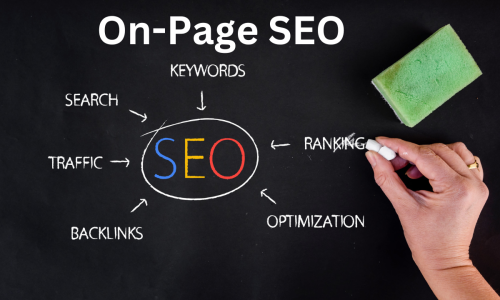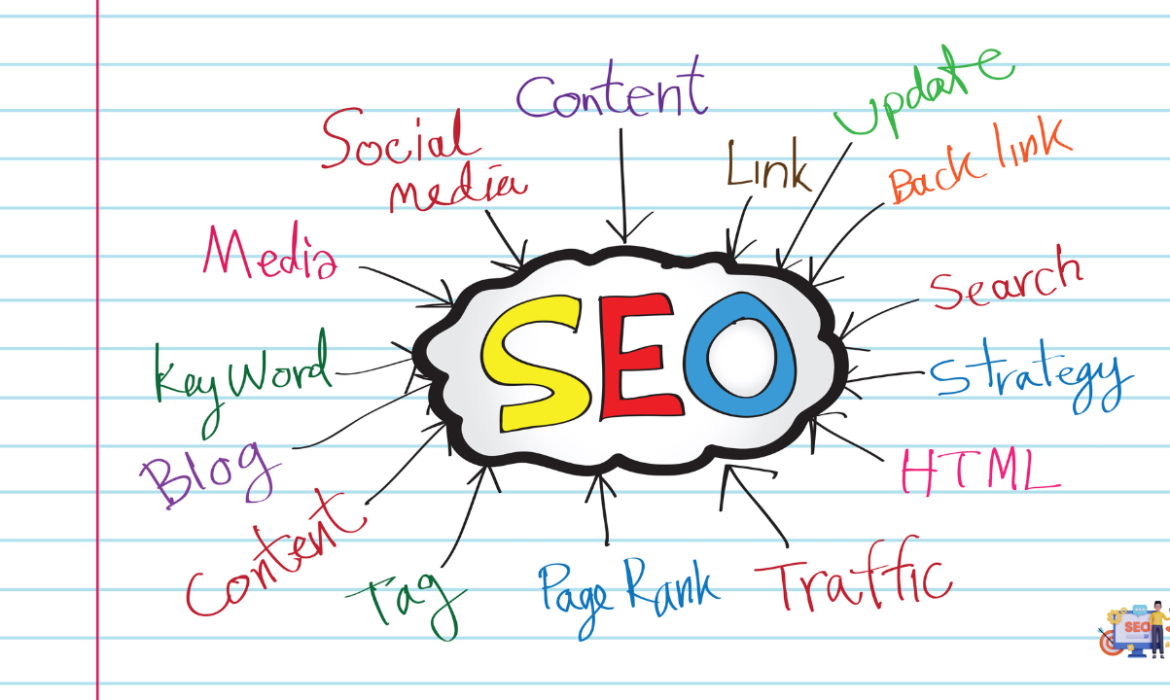
In the world of digital marketing, search engine optimization (SEO) is the cornerstone of online visibility. Among the different types of SEO, on-page SEO plays a crucial role in ensuring that your website ranks higher on search engine results pages (SERPs). This article will guide you through everything you need to know about on-page SEO, its importance, and how to implement it effectively to boost your website’s performance.
What is On-Page SEO?
On-page SEO (also known as on-site SEO) refers to the practice of optimizing individual web pages to improve their ranking in search engines and attract more organic traffic. This involves enhancing the content, HTML source code, and technical aspects of a webpage to make it more search engine-friendly. Unlike off-page SEO, which deals with external factors like backlinks, on-page SEO focuses on elements within your website that you can control.
Why is On-Page SEO Important?
- Improves Search Engine Ranking: Proper on-page optimization helps search engines understand your content, making it easier for them to index and rank your web pages.
- Enhances User Experience: On-page SEO practices like fast page loading speeds, mobile-friendliness, and easy navigation improve user experience, leading to lower bounce rates and higher engagement.
- Increases Organic Traffic: By targeting the right keywords and creating high-quality content, on-page SEO helps attract relevant traffic to your website, increasing your chances of conversions.
- Builds Authority: Optimized content establishes your site as a trustworthy source of information, enhancing its credibility and increasing its chances of ranking higher.
Key Components of On-Page SEO
To effectively implement on-page SEO, you need to focus on several crucial elements that impact your website’s search engine performance:
1. Title Tags
The title tag is one of the most important on-page SEO elements. It tells both users and search engines what the page is about. Make sure your title tag includes the primary keyword you’re targeting and stays within 50-60 characters for optimal display on SERPs.
Example: “On-Page SEO: A Complete Guide to Boost Your Website’s Ranking”
2. Meta Descriptions
Meta descriptions are brief summaries that appear below the title tag on SERPs. Although they don’t directly impact rankings, a compelling meta description can significantly increase the click-through rate (CTR). Keep it under 155 characters and include your target keyword.
Example: “Learn the best practices for on-page SEO to optimize your website for search engines and boost organic traffic.”
3. Header Tags (H1, H2, H3)
Using header tags (H1, H2, H3) properly helps organize your content, making it easier for both search engines and users to understand. The H1 tag should include your main keyword, while H2 and H3 tags should be used to break down sections and sub-sections of your content.
4. Keyword Optimization
Keyword optimization is at the heart of on-page SEO. Conduct thorough keyword research to find relevant terms that your target audience is searching for. Place these keywords strategically in your title, meta description, headers, and throughout the content, but avoid keyword stuffing.
5. Content Quality
High-quality content is crucial for effective on-page SEO. Ensure that your content is original, informative, and provides value to your audience. Aim for longer, comprehensive articles as they tend to perform better in search rankings. Use visuals, bullet points, and structured data to make the content more engaging.
6. URL Structure
A clean and descriptive URL structure is not only user-friendly but also beneficial for SEO. Include your target keyword in the URL and keep it short, clear, and relevant to the page’s content.
7. Internal Linking
Internal linking involves linking to other relevant pages on your website. This helps search engines crawl your site more efficiently and keeps users engaged by directing them to more content on your site. Use descriptive anchor text for the links.
8. Image Optimization
Images play a significant role in enhancing user experience, but they also need to be optimized for search engines. Use descriptive file names, include alt text with relevant keywords, and compress images to reduce loading times.
9. Mobile-Friendliness
With the majority of users accessing websites via mobile devices, it’s essential to ensure that your site is mobile-friendly. Google uses mobile-first indexing, meaning it primarily uses the mobile version of a website for ranking and indexing. Use responsive design to make your site accessible on all devices.
10. Page Speed
Page speed is a critical factor for both user experience and SEO. Websites that load quickly have lower bounce rates and higher engagement. Optimize your site’s speed by compressing images, using browser caching, and minimizing JavaScript.
Advanced On-Page SEO Techniques
- Schema Markup: Implementing schema markup (structured data) helps search engines understand your content better and display rich snippets, enhancing your site’s visibility on SERPs.
- Content Updates: Regularly updating your content keeps it fresh and relevant, which can lead to improved search rankings.
- LSI Keywords: Latent Semantic Indexing (LSI) keywords are related terms that give context to your content. Using LSI keywords can help your page rank for a wider variety of search queries.
- User Engagement Metrics: Metrics like bounce rate, dwell time, and click-through rate influence how search engines perceive your website’s value. Create engaging content that encourages users to stay longer on your site.
Common On-Page SEO Mistakes to Avoid
- Keyword Stuffing: Overloading your content with keywords can lead to penalties from search engines. Focus on natural keyword integration.
- Ignoring Meta Tags: Neglecting to optimize title tags, meta descriptions, and header tags can significantly harm your SEO efforts.
- Broken Links: Internal and external links that lead to 404 error pages negatively affect user experience and SEO. Regularly check for and fix broken links.
Tools to Help with On-Page SEO
- Google Search Console: An essential tool for monitoring your site’s performance, identifying crawl errors, and optimizing pages.
- Yoast SEO: A popular WordPress plugin that helps optimize on-page elements like meta tags, titles, and keywords.
- SEMrush: Offers comprehensive SEO analysis, including keyword research, content optimization, and competitive analysis.
Conclusion
On-page SEO is a fundamental aspect of optimizing your website for search engines. By focusing on elements like high-quality content, keyword optimization, meta tags, and technical factors, you can improve your website’s visibility and attract more organic traffic. Consistently applying these strategies will not only boost your search engine rankings but also enhance user experience, leading to long-term success for your online presence.