In the rapidly evolving digital landscape, generating high-quality leads for B2B businesses is essential for sustainable growth. In 2024, B2B lead generation demands refined strategies, innovative techniques, and a deep understanding of buyer behavior. Here, we provide a comprehensive guide to B2B lead generation strategies that are proven to drive conversions, nurture prospects, and fuel business growth.
What is B2B Lead Generation?
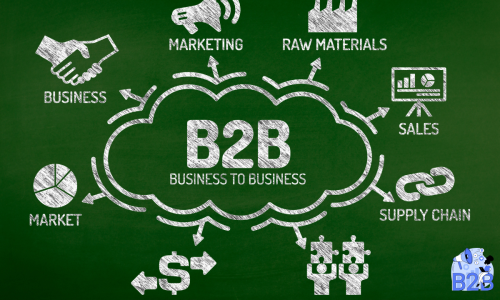
B2B lead generation refers to identifying and attracting potential clients, or “leads,” for businesses that sell products or services to other businesses. This involves various strategies that bring potential buyers into the sales funnel, moving them through stages of awareness, consideration, and decision-making.
Why is B2B Lead Generation Essential in 2024?
As competition intensifies, businesses must proactively reach out to prospects. In 2024, B2B buyers are conducting extensive online research before making purchasing decisions, making it crucial for businesses to have a robust lead generation strategy.
Proven Ultimate Guide to B2B Lead Generation Strategies for 2024
1. Optimized Content Marketing
Content marketing is central to any successful lead-generation strategy. Creating valuable, keyword-optimized content establishes credibility and draws leads organically through search engines and social media.
- Blogging: Regularly publish insightful, in-depth blog posts addressing common industry challenges. Use long-tail keywords to capture specific queries and improve SEO ranking.
- eBooks and Whitepapers: Offer downloadable resources that require contact information, providing leads while demonstrating industry expertise.
- Case Studies: Showcase your success stories with detailed case studies, demonstrating the results your product or service can deliver.
2. Account-Based Marketing (ABM)
ABM tailors marketing efforts to specific high-value accounts. By focusing on select accounts, businesses can deliver highly personalized content and messaging to enhance engagement.
- Identify High-Value Accounts: Use firmographic data to select companies that closely match your ideal customer profile.
- Personalized Campaigns: Customize email sequences, content, and ads to address the specific needs of each target account.
- Collaboration between Sales and Marketing: Aligning sales and marketing enables smooth account handoffs and improves the chances of conversion.
3. Leveraging LinkedIn for Lead Generation
LinkedIn is a powerful platform for the Ultimate Guide to B2B Lead Generation, offering a range of features designed for targeting and nurturing business audiences.
- Sponsored Content: Use LinkedIn Sponsored Content to promote valuable content directly in users’ feeds. Target audiences based on job title, company size, industry, etc.
- InMail Campaigns: LinkedIn InMail allows personalized messaging to potential leads. These messages have high open rates and can be effectively used to drive interest.
- Engage with Industry-Specific Groups: Participating in LinkedIn groups can improve brand visibility, establish authority, and nurture relationships with prospective clients.
4. Email Marketing Automation
Email remains one of the most effective tools for the Ultimate Guide to B2B Lead Generation. Automating email marketing enables businesses to nurture leads with relevant, timely content.
- Segmentation and Personalization: Use data to segment leads by industry, company size, and stage in the buyer journey, and create personalized content for each segment.
- Drip Campaigns: Send automated sequences of emails based on the recipient’s behavior, gradually guiding them toward making a purchase decision.
- Lead Scoring: Implement lead scoring to rank prospects based on engagement, helping prioritize high-potential leads for the sales team.
5. Webinars and Virtual Events
In the digital-first era, webinars and virtual events are effective tools for educating potential clients and capturing leads.
- Host Industry-Specific Webinars: Position your business as a thought leader by addressing industry challenges or showcasing your solutions.
- Interactive Q&A Sessions: Encourage audience participation, building a connection while showcasing your expertise.
- Follow-Up with Attendees: Post-event follow-ups help nurture leads further down the funnel by offering additional resources or a demo.

6. SEO and Search Marketing
With B2B buyers relying on search engines for research, SEO (Search Engine Optimization) is critical to gaining visibility and attracting potential clients.
- Keyword Optimization: Identify and integrate high-value keywords that align with user intent, especially those relevant to the decision-making process.
- Technical SEO: Ensure your website is optimized for speed, mobile-friendliness, and navigation to improve user experience and search rankings.
- Local SEO: For businesses with a regional focus, optimizing for local search terms is essential to capture interest from geographically relevant clients.
7. Paid Advertising and Retargeting
Paid advertising accelerates lead generation by promoting your offerings directly to your target audience. Retargeting, in particular, helps re-engage website visitors who didn’t convert initially.
- Google Ads: Run targeted campaigns using keywords that match high-intent queries. Adjust bids to focus on users more likely to convert.
- LinkedIn and Facebook Ads: Use demographic and firmographic filters to target ads precisely and retarget users based on their website behavior.
- Retargeting Campaigns: Employ retargeting to reconnect with website visitors, reminding them of your products or services and nudging them closer to a purchase.
8. Implementing Live Chat and Chatbots
Adding live chat or chatbot functionality to your website enhances engagement by providing real-time responses to visitor inquiries.
- Live Chat for Lead Qualification: Use live chat to engage users and answer questions, qualifying leads based on their responses.
- Chatbots for 24/7 Engagement: Deploy AI-powered chatbots to engage visitors round-the-clock, capturing leads even outside business hours.
- Integration with CRM: Sync live chat and chatbot data with your CRM to centralize lead information and improve follow-up efficiency.
9. Referral Programs and Customer Advocacy
Satisfied clients can be powerful advocates, referring your business to their network. Referral programs incentivize this behavior, encouraging clients to spread the word.
- Customer Advocacy Programs: Encourage satisfied customers to participate in case studies, testimonials, and reviews.
- Incentive-Based Referral Programs: Offer rewards for referrals to motivate clients to share your services with their network.
- Engage Loyal Customers: By actively involving loyal customers, you can generate high-quality leads from their personal and professional networks.
10. Data-Driven Insights and Analytics
Data is essential to refining your lead generation strategy. Utilizing analytics enables your team to understand what’s working and where improvements are needed.
- A/B Testing: Continuously test variations in messaging, landing pages, and ads to find the most effective elements for lead generation.
- Customer Journey Mapping: Identify how leads move through the funnel, pinpointing touchpoints where improvements could increase conversion rates.
- CRM Integration: Consolidate lead data into your CRM, enabling seamless follow-up and accurate tracking of lead progress.
Key Takeaways for a Successful 2024 Ultimate Guide to B2B Lead Generation Strategy
To succeed with Ultimate Guide to B2B Lead Generation in 2024, businesses need to adopt a data-driven, multi-channel approach that aligns with buyer preferences and behaviors. Key elements include producing high-value content, personalizing outreach through account-based marketing, leveraging LinkedIn, optimizing SEO, and implementing analytics to track performance. By refining each element of your lead generation strategy, you can build a robust pipeline that fuels growth and gives you a competitive advantage in the market.