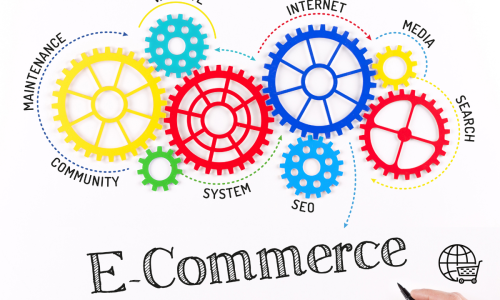
As the e-commerce landscape continues to grow, the need for effective strategies to increase visibility and drive sales has never been more critical. E-Commerce SEO (Search Engine Optimization) plays a pivotal role in ensuring your online store stands out in a competitive marketplace. This comprehensive guide delves into the significance of E-Commerce SEO, outlines key strategies, best practices, and potential pitfalls, and provides actionable insights to enhance your online presence.
Understanding E-Commerce SEO
E-commerce SEO refers to the process of optimizing an online retail site to improve its visibility in search engine results. The primary goal is to attract organic traffic to product pages and ultimately increase conversion rates. Effective E-Commerce SEO combines standard SEO practices with specific tactics tailored to the unique needs of e-commerce websites.
Why is E-Commerce SEO Important?
- Increased Visibility and Traffic:
- High Competition: With over 2.14 billion digital buyers in 2021, the competition among e-commerce sites is fierce. A well-optimized site can help your business appear in front of potential customers actively searching for products.
- Search Engine Rankings: Higher rankings on search engines like Google lead to increased visibility and more traffic to your online store.
- Cost-Effective Marketing:
- Organic Traffic: Unlike paid ads, which require continuous investment, organic traffic generated through SEO is free. While it requires an upfront investment of time and resources, the long-term benefits can far outweigh the costs.
- Sustainable Growth: SEO can provide a steady stream of traffic without the need for ongoing advertising spending.
- Enhanced User Experience:
- Site Usability: SEO efforts often lead to a better user experience, including improved site speed, mobile optimization, and intuitive navigation.
- Lower Bounce Rates: A well-structured site keeps visitors engaged, reducing bounce rates and increasing the chances of conversion.
- Higher Conversion Rates:
- Targeted Traffic: By optimizing for specific keywords, your site attracts visitors who are more likely to convert into paying customers. This targeted approach increases the effectiveness of your marketing efforts.
Key E-Commerce SEO Strategies
1. Comprehensive Keyword Research
Understanding User Intent:
- Types of Keywords: Focus on different types of keywords: short-tail (general), long-tail (specific), and transactional (purchase-oriented). For instance, “shoes” (short-tail) vs. “women’s running shoes” (long-tail).
- Tools for Research: Use tools like E-Commerce SEO Google Keyword Planner, Ahrefs, or SEMrush to identify relevant keywords with high search volume and low competition.
Competitor Analysis:
- Analyze competitors to discover which keywords they are targeting and where they are ranking. This can provide valuable insights for your keyword strategy.
2. Optimize Product Pages
Title Tags and Meta Descriptions:
- Craft compelling title tags (50-60 characters) and meta descriptions (150-160 characters) that include target keywords and entice users to click.
Unique Product Descriptions:
- Avoid duplicate content by writing unique product descriptions that highlight features, benefits, and usage. Incorporate relevant keywords naturally.
Image Optimization:
- Use high-quality images with descriptive file names (e.g., “blue-running-shoes.jpg”) and alt text (e.g., “Blue women’s running shoes”). This helps with SEO and improves accessibility.
3. Enhance Site Structure
Logical Organization:
- Create a clear hierarchy for your site. Use categories and subcategories to help users find products easily. For example, a site selling clothing might have categories for “Men,” “Women,” and “Kids.”
SEO-Friendly URLs:
- Use clean, descriptive URLs that include relevant keywords (e.g.,
www.example.com/womens-running-shoes).
4. Mobile Optimization
Responsive Design:
- Ensure your e-commerce site is responsive and provides a seamless experience across all devices. Google prioritizes mobile-friendly sites in its rankings.
Loading Speed:
- Optimize images and use caching techniques to improve loading speed. A faster site leads to lower bounce rates and higher user satisfaction.
5. Build Quality Backlinks
Content Marketing:
- Create valuable content that others want to link to, such as how-to guides, infographics, or industry reports. This can enhance your site’s authority and improve SEO.
Partnerships and Collaborations:
- Work with influencers, bloggers, or other e-commerce sites to generate backlinks. Guest posting on reputable sites in your niche can also be effective.
6. Leverage Local SEO
Google My Business:
- For businesses with physical locations, create and optimize your Google My Business profile. This can help attract local customers and improve your search rankings.
Local Keywords:
- Incorporate location-based keywords into your content, meta descriptions, and product listings.
7. Monitor and Analyze Performance
Use Analytics Tools:
- Regularly monitor site performance using tools like Google Analytics and Google Search Console. Track metrics such as organic traffic, conversion rates, and bounce rates.
Adapt Strategies:
- Use insights from your data analysis to adapt your SEO strategies continuously. Identify which keywords are driving traffic and conversions, and refine your approach accordingly.
Common Pitfalls to Avoid
- Neglecting Mobile Optimization:
- Failing to optimize for mobile can lead to lost sales, as many users shop on their phones. Ensure your site is mobile-friendly and performs well on all devices.
- Ignoring Page Speed:
- Slow-loading pages can frustrate users and lead to high bounce rates. Regularly test your site’s speed and address any issues promptly.
- Duplicate Content:
- Duplicate product descriptions across multiple pages can harm your SEO. Aim for unique descriptions for each product to improve rankings.
- Lack of Ongoing SEO Efforts:
- SEO is not a one-time task but an ongoing process. Regularly update your content, monitor performance, and adapt strategies as needed.
Conclusion
E-Commerce SEO is essential for any online store looking to succeed in a competitive digital marketplace. By understanding its importance and implementing effective strategies, businesses can enhance their visibility, attract targeted traffic, and increase sales. Investing in E-Commerce SEO is not just about optimizing for search engines; it’s about creating a better experience for customers and fostering long-term growth. Start optimizing your e-commerce site today to unlock its full potential and achieve lasting success in the online retail world.