Introduction
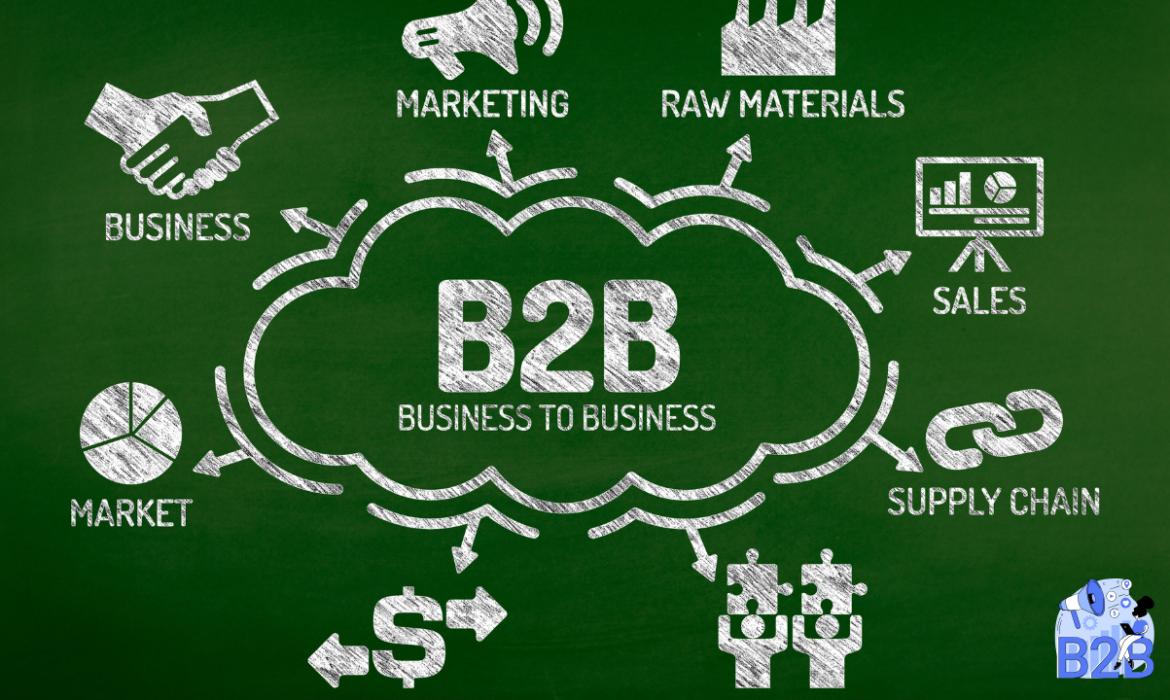
B2B lead generation is a fundamental process that every business needs to master to thrive in today’s competitive market. It involves identifying potential customers, building interest in your product or service, and nurturing these prospects until they are ready to make a purchase. In this guide, we’ll dive deeper into the intricacies of B2B lead generation, and explore advanced strategies, best practices, and the tools that can drive success.
What is B2B Lead Generation?
B2B lead generation refers to the methods and techniques businesses use to attract and engage other businesses as potential customers. Unlike B2C Business-to-Consumer lead generation, where the focus is on individuals, B2B lead generation targets decision-makers in other companies. The process usually includes identifying target businesses, generating interest, capturing their contact information, and nurturing them through the sales funnel.
B2B Lead Generation Statistics
To understand the importance of B2B lead generation, let’s look at some key statistics:
- 67% of B2B marketers identify lead generation as their most important challenge.
- 61% of marketers consider generating high-quality leads to be their biggest challenge.
- Companies with mature lead generation processes achieve 133% greater revenue compared to average companies.
These statistics highlight the need for an effective lead-generation strategy to achieve better business outcomes and a strong return on investment (ROI).
The B2B Lead Generation Process
An effective B2B lead generation strategy generally follows a well-defined process that consists of several stages:
- Identifying the Target Audience
- Defining your ideal customer profile (ICP) and creating buyer personas.
- Using market research to understand their needs, challenges, and industry trends.
- Attracting Prospects
- Using inbound and outbound marketing tactics to draw potential customers to your business.
- Generating content that provides solutions to the problems your target audience faces.
- Capturing Leads
- Collecting contact information through forms, landing pages, and lead magnets.
- Engaging with prospects via email subscriptions, downloadable resources, and event registrations.
- Qualifying Leads
- Segmenting leads based on their level of interest and engagement.
- Using lead scoring techniques to prioritize the most promising prospects.
- Nurturing and Converting Leads
- Developing a relationship with leads through personalized communication.
- Guiding them through the sales funnel with targeted content and follow-ups.
- Analyzing and Optimizing
- Measuring the success of your lead generation efforts.
- Continuously optimizing strategies based on performance data.
Top B2B Lead Generation Strategies and Techniques
Let’s take a closer look at some of the most effective strategies that businesses use for B2B lead generation.
1. Content Marketing
Content marketing is one of the most powerful tools for B2B lead generation. It helps attract, engage, and convert leads by providing valuable information that solves their problems. Common forms of content include:
- Blogs: 77% of B2B marketers use blogs as a part of their content marketing strategy to educate and inform their audience.
- Whitepapers and eBooks: Detailed guides that address specific issues in-depth and can be used as lead magnets.
- Case Studies: Real-world examples of how your products or services have helped other businesses achieve their goals.
2. Search Engine Optimization (SEO)
SEO plays a crucial role in driving organic traffic to your website and improving your visibility in search engine results. Effective SEO strategies for B2B lead generation include:
- On-Page SEO: Optimizing content, headers, meta tags, and images to improve search engine rankings.
- Keyword Research: Identifying relevant keywords that your target audience is using to search for solutions.
- Technical SEO: Ensuring that your website is fast, secure, and mobile-friendly to provide a seamless user experience.
3. Paid Advertising (PPC)
Pay-per-click (PPC) advertising is a highly effective way to generate leads quickly by placing ads on search engines or social media platforms. Key benefits include:
- Immediate Visibility: Your ads appear at the top of search results, increasing your brand’s visibility.
- Targeted Audience: You can target specific industries, companies, job roles, or even individual accounts.
- Conversion Tracking: Analyze the effectiveness of your campaigns and optimize based on data-driven insights.
4. LinkedIn Lead Generation
LinkedIn is the top social media platform for B2B marketing, with over 80% of B2B leads generated from social media coming from LinkedIn. Strategies for LinkedIn lead generation include:
- LinkedIn Ads: Use Sponsored Content, Sponsored InMail, and Display Ads to reach decision-makers.
- Networking: Join industry groups, engage in discussions, and send personalized connection requests.
- Lead Gen Forms: LinkedIn’s built-in lead generation forms make it easy to capture prospects’ information directly from ads.
5. Account-Based Marketing (ABM)
Account-Based Marketing (ABM) is a highly personalized approach to lead generation that focuses on targeting specific high-value accounts. ABM strategies often involve:
- Personalized Campaigns: Developing custom content and offers that directly address the needs of targeted companies.
- Cross-Channel Engagement: Coordinating outreach across email, LinkedIn, direct mail, and sales calls.
- Sales and Marketing Alignment: Ensuring that both teams work together to deliver a consistent experience.
6. Webinars and Virtual Events
Webinars are a cost-effective way to educate your audience and generate leads. Benefits of webinars include:
- Expert Positioning: Showcase your expertise by discussing relevant topics that resonate with your audience.
- Interactive Engagement: Engage with your audience through Q&A sessions, polls, and live discussions.
- Lead Qualification: Attendees of webinars are often highly qualified leads, making them easier to convert.
7. Referral and Partner Programs
Referral and partner programs can help you leverage your existing customer base and business partners to generate new leads. Tips for creating an effective program include:
- Incentives: Offer rewards, discounts, or other incentives to motivate referrals.
- Ease of Use: Make the referral process simple and quick for your customers.
- Co-Branding Opportunities: Collaborate with partners to expand your reach to a broader audience.
Best Practices for B2B Lead Generation
To get the most out of your B2B lead generation efforts, consider these best practices:
- Create a Lead Scoring System: Rank leads based on their engagement, fit, and readiness to purchase.
- Focus on Quality Over Quantity: Prioritize generating high-quality leads over a large volume of unqualified ones.
- Data-Driven Decision Making: Use analytics to track KPIs like conversion rates, cost per lead, and ROI.
- Personalize Outreach: Customize your messages to address the specific needs and challenges of each lead.
- Optimize Landing Pages: Ensure that landing pages are clear, concise, and have a strong call-to-action.
Tools for B2B Lead Generation
Using the right tools can streamline your B2B lead generation efforts and increase efficiency. Some of the most effective tools include:
- HubSpot: A robust marketing and sales platform with lead generation, CRM, and automation capabilities.
- Salesforce: Offers comprehensive CRM and lead management solutions tailored for B2B businesses.
- LinkedIn Sales Navigator: Helps identify and engage with the right leads on LinkedIn.
- Mailchimp: A versatile email marketing tool that aids in creating personalized campaigns.
- Leadfeeder: Tracks website visitors and identifies which companies are interested in your offerings.
Common Challenges in B2B Lead Generation
Despite the effectiveness of B2B lead generation strategies, many businesses encounter common challenges:
- Generating High-Quality Leads: Difficulty in finding leads that are a good fit for your business.
- Lead Nurturing: Struggling to keep leads engaged and move them through the sales funnel.
- Alignment Between Sales and Marketing: Ensuring both teams are on the same page to maximize lead conversion.
- Data Management: Handling large volumes of lead data and keeping it up-to-date.
Conclusion
B2B lead generation is a multifaceted process that requires a strategic approach, consistent effort, and a focus on quality. By leveraging a mix of content marketing, SEO, paid advertising, LinkedIn strategies, and account-based marketing, businesses can generate a steady flow of high-quality leads. Combining these strategies with the right tools and best practices will help you build a strong lead-generation process that drives sustainable growth for your business.
Mastering B2B lead generation is not just about attracting leads but also nurturing and converting them into loyal customers. Consistently measure your efforts, analyze data, and optimize your strategies to stay ahead in the competitive B2B landscape.