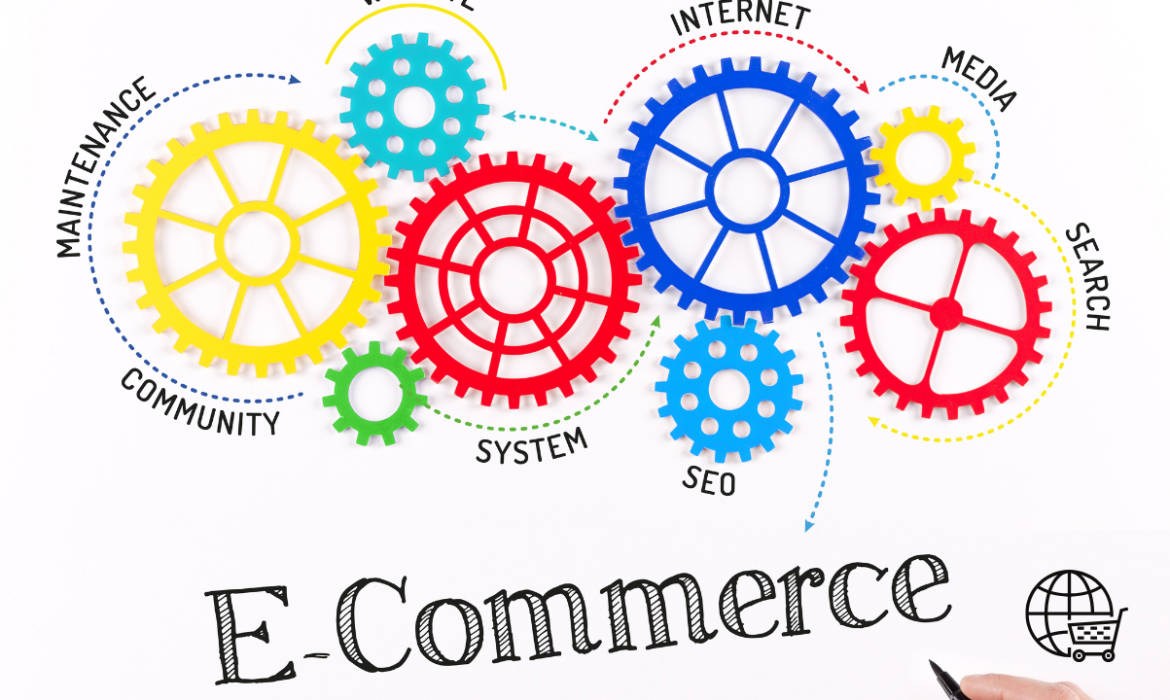
In the ever-evolving world of e-commerce, simply having an online store is not enough. To thrive, you need visibility, traffic, and, most importantly, customers. That’s where E-Commerce SEO comes into play. In this guide, we’ll dive deep into every facet of E-Commerce SEO, helping you rank higher, attract more traffic, and maximize conversions.
What is E-Commerce SEO?
E-Commerce SEO (Search Engine Optimization) is the process of improving the visibility of an online store in search engine results. Unlike traditional websites, e-commerce sites involve optimizing individual product pages, category pages, and site architecture to attract targeted organic traffic. The goal is simple: increase your store’s search rankings to bring in more potential buyers.
Why is E-Commerce SEO Crucial for Online Success?
When consumers search for products online, they rarely move past the first page of search results. In fact, the top five results account for nearly 68% of all clicks. Therefore, your goal should be to appear among these top results. Here’s why investing in E-Commerce SEO is essential:
- Cost-Efficient Customer Acquisition: Paid campaigns can drive traffic, but organic SEO generates consistent traffic without ongoing costs.
- Brand Trust and Credibility: High organic rankings boost brand credibility in the eyes of potential customers.
- Higher Conversion Rates: SEO attracts highly targeted traffic, increasing the chances of converting visitors into buyers.
Key Elements of E-Commerce SEO
1. Keyword Research for E-Commerce
Keyword research is foundational to your e-commerce SEO strategy. Understanding the keywords your audience is searching for allows you to create relevant content and optimize your pages effectively. Consider these approaches:
- Primary and Secondary Keywords: Start with broad keywords, but also include secondary, more specific terms to capture niche audiences. For instance, for a store selling fitness products, “best dumbbells for home workouts” could be a specific keyword.
- Navigational Keywords: These guide users to the right section of your site, such as “men’s running shoes.”
- Competitor Analysis: Use tools like Ahrefs, SEMrush, or Moz to identify keywords your competitors are ranking for.
2. On-Page SEO for E-Commerce
On-page optimization focuses on individual page elements to improve relevance and ranking. Key areas include:
- Optimized Product Titles: Make sure your product titles include primary keywords. Avoid keyword stuffing but be descriptive and specific.
- Example: “Adidas Men’s Ultraboost 21 Running Shoes – Lightweight, Comfortable & Breathable.”
- Unique Product Descriptions: Create compelling descriptions that explain the features, benefits, and use cases of the product. Example:
- “These lightweight running shoes provide maximum comfort with their responsive cushioning, ideal for long runs and daily training sessions.”
- Internal Linking: Link related products to enhance user experience and reduce bounce rate. Example: “Customers who viewed this product also viewed…”
3. Technical SEO for E-Commerce
Technical SEO focuses on improving the infrastructure of your site to help search engines crawl and index pages more efficiently. Key elements include:
- Website Architecture: Maintain a clear hierarchy. Ideally, your homepage should be within three clicks of any product page. Implement a clean URL structure such as:
- example.com/men/shoes/running/ultraboost-21/
- Robust XML Sitemap: An XML sitemap helps search engines understand the structure of your website. Regularly update and submit your sitemap to Google Search Console.
- Implementing SSL: An HTTPS-secured site builds trust and positively impacts SEO.
- Fixing Broken Links: Regularly check and fix broken links to prevent negative user experiences and SEO penalties.
4. Content Marketing for E-Commerce
Content marketing allows you to establish authority in your niche, attract more visitors, and increase conversions. Strategies include:
- Blog Posts and Articles: Create informative content that addresses common pain points or questions. For example:
- “The Ultimate Guide to Running Shoes: How to Choose the Best Pair for You.”
- Video Content and Tutorials: With increasing video consumption, consider product demo videos, how-to guides, and product comparison videos.
- User-Generated Content: Encourage customer reviews, photo uploads, and product usage stories to build trust and social proof.
5. Mobile Optimization for E-Commerce SEO
With mobile accounting for over 50% of global web traffic, optimizing for mobile users is non-negotiable. Consider these tactics:
- Responsive Design: Ensure your site adapts seamlessly to different screen sizes.
- Mobile Page Speed: Use Google’s Mobile-Friendly Test to check and optimize page load times.
- Mobile-First Indexing: Google now predominantly uses the mobile version of websites for indexing and ranking.
Advanced E-Commerce SEO Strategies
1. Structured Data Markup
Structured data helps search engines better understand your products and enhances how they are displayed in search results. Rich snippets, like ratings, prices, and availability, can significantly improve your click-through rates (CTR). Use Schema.org markup to:
- Highlight Product Reviews: Show star ratings, which can increase trust.
- Showcase Pricing and Availability: Display real-time prices and stock updates in the search results.
2. Site Search Optimization
A well-optimized site search function enhances user experience and can help with SEO. Focus on:
- Search Data Analysis: Identify top searched terms and queries within your site to refine your product pages.
- Autofill Suggestions: Implement intelligent autofill options based on popular and trending keywords.
3. Image SEO for E-Commerce
Images play a vital role in e-commerce, but they can also contribute to SEO success. Best practices include:
- Descriptive File Names: Rename images using descriptive file names instead of generic ones like “IMG_1234.jpg.” For example, “adidas-mens-ultraboost-21.jpg.”
- Image Compression: Use tools like TinyPNG to compress images without losing quality, improving page speed.
- Alt Text Optimization: Alt text should describe the image accurately, which not only helps with SEO but also improves accessibility.
Measuring E-Commerce SEO Success
SEO is a continuous process that requires monitoring and tweaking. Use the following KPIs (Key Performance Indicators) to measure your efforts:
- Organic Traffic: Use Google Analytics to track the number of visitors from organic search.
- Conversion Rate: Measure how many organic visitors turn into buyers.
- Average Order Value (AOV): Understand whether SEO is attracting high-value customers.
- Bounce Rate and Time on Page: Analyze user engagement metrics to understand the quality of traffic your SEO efforts bring.
Common E-Commerce SEO Challenges and How to Overcome Them
1. Duplicate Content
With hundreds or thousands of products, duplicate content is a common issue in e-commerce. Solutions include:
- Canonical Tags: Use canonical tags to indicate the original page to search engines.
- Unique Descriptions: Write custom descriptions for each product, even if they’re similar.
2. Indexing and Crawling Issues
E-commerce sites often have complex structures with many category and product pages. Issues to consider:
- Use Robots.txt Carefully: Block unnecessary pages like admin areas or checkout pages but allow key product and category pages.
- Crawl Budget Optimization: Set priorities in your XML sitemap to guide search engines in crawling your most important pages.
3. Over-Reliance on JavaScript
JavaScript-based elements can cause indexing issues if not handled correctly. Ensure your important content isn’t hidden behind JavaScript or dynamically generated without fallbacks.
Future Trends in E-Commerce SEO (2024 and Beyond)
To stay ahead, keep these future trends in mind:
- Voice Search Optimization: With the rise of voice assistants like Alexa and Siri, optimize for natural language queries.
- AI-Powered Personalization: Use AI to personalize product recommendations based on browsing and purchasing behavior.
- Zero-Click Searches: Optimize for featured snippets and answer boxes to capture zero-click traffic.
Conclusion
E-commerce SEO is a multifaceted discipline that requires attention to detail, technical finesse, and a deep understanding of your target audience. By following the strategies outlined in this guide, you can set your online store on the path to higher rankings, more traffic, and increased revenue.