Definition of On-Page SEO
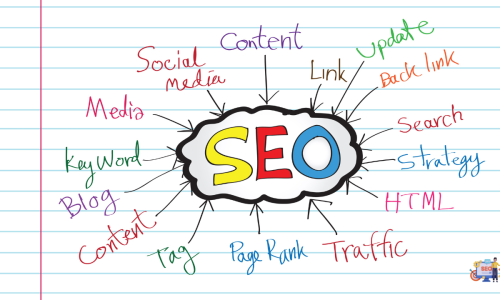
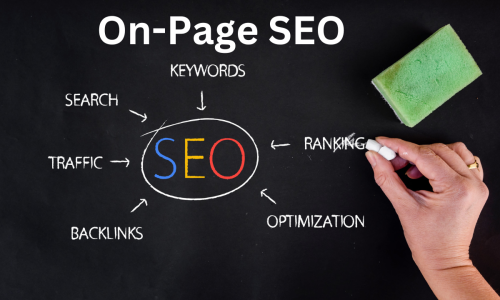
On-page SEO refers to optimizing individual web pages to rank higher and earn more relevant traffic in search engines. This involves optimizing content, HTML source code, and various other elements on the page itself.
Importance of On-Page SEO
On-page optimization is crucial because it helps search engines understand your website and its content and identify whether it is relevant to a searcher’s query. It also improves user experience, leading to higher engagement and conversion rates.
Introduction to RankMath
RankMath is a popular SEO plugin for WordPress that helps website owners optimize their content for search engines. It offers a range of features, including keyword optimization, SEO analysis, and integration with Google Search Console, making it a powerful tool for enhancing on-page SEO.
Types and Categories
Basic Elements of On-Page SEO
Title Tags
Title tags are HTML elements that specify the title of a web page. They are displayed on search engine results pages (SERPs) as the clickable headline for a given result and are important for usability, SEO, and social sharing.
Meta Descriptions
Meta descriptions are HTML attributes that provide concise summaries of web pages. They are commonly used on SERPs to preview snippets for a given page and can influence click-through rates.
Header Tags
Header tags (H1, H2, H3, etc.) are used to define headings and subheadings within your content. They help structure the content, making it easier for users to read and for search engines to understand the hierarchy of your content.
Advanced On-Page SEO Techniques
Schema Markup
Schema markup is a form of microdata that helps search engines better understand the information on your web pages. It can enhance your search listings by providing rich snippets, such as reviews, events, and recipes.
Internal Linking
Internal linking refers to the practice of linking to other pages within your website. This helps establish a hierarchy and spread link equity, improving the site’s overall SEO.
Content Optimization
Content optimization involves ensuring your content is written in a way that is both appealing to readers and search engine-friendly. This includes keyword usage, readability, and engagement factors.
Symptoms and Signs
Indicators of Poor On-Page SEO
Low Organic Traffic
One of the most apparent signs of poor On-Page Optimization is low organic traffic. If your website is not optimized, it will not rank well on search engines, leading to fewer visitors.
High Bounce Rate
A high bounce rate indicates that users are leaving your site quickly without interacting with it. This can be due to poor content quality, slow page load times, or irrelevant content.
Poor Search Engine Rankings
If your pages are not appearing on the first page of search results for relevant keywords, it’s a strong indicator that your on-page SEO needs improvement.
Causes and Risk Factors
Common Causes of On-Page SEO Issues
Lack of Keyword Research
Not conducting thorough keyword research can lead to targeting the wrong keywords or missing out on opportunities to rank for relevant terms.
Poor Content Quality
Content that is poorly written, not engaging, or irrelevant to the target audience can harm your SEO efforts.
Inefficient Website Structure
A website that is not well-organized can be difficult for search engines to crawl and index, negatively impacting your SEO.
Diagnosis and Tests
Tools for Diagnosing On-Page SEO Problems
Google Analytics
Google Analytics provides insights into how users interact with your site, including traffic sources, user behavior, and conversion rates. It can help identify areas where your On-Page Optimization may be lacking.
Google Search Console
Google Search Console offers tools and reports to help you measure your site’s search traffic and performance, fix issues, and improve your site’s visibility on Google.
RankMath SEO Plugin
RankMath SEO plugin offers a comprehensive suite of tools to analyze and optimize your on-page SEO. It provides actionable insights and recommendations to improve your content.
Treatment Options
Optimizing Title Tags and Meta Descriptions
Best Practices for Title Tags
- Keep titles under 60 characters.
- Include your primary keyword.
- Make it compelling and descriptive.
Best Practices for Meta Descriptions
- Keep descriptions under 160 characters.
- Use active voice and a call-to-action.
- Include your primary keyword.
Enhancing Header Tags
Importance of Header Tags
Header tags help to break up your content into manageable sections, making it easier to read and understand. They also help search engines understand the structure and key points of your content.
How to Optimize Header Tags
- Use H1 for the main title of the page.
- Use H2 for main section titles.
- Use H3 and lower for subsections.
- Include relevant keywords naturally.
Improving Content Quality
Writing Engaging Content
Content should be informative, engaging, and valuable to your audience. Use a mix of text, images, and multimedia to keep readers interested.
Keyword Density and Placement
While it’s important to include keywords, avoid keyword stuffing. Use keywords naturally throughout your content, including in headings, subheadings, and the first paragraph.
Implementing Schema Markup
Types of Schema Markup
- Article: For blog posts and news articles.
- Product: For product pages.
- Recipe: For recipe content.
- Review: For reviews and ratings.
Benefits of Schema Markup
Schema markup can enhance your search engine listings with rich snippets, increasing your click-through rate and visibility.
Strengthening Internal Linking
Importance of Internal Links
Internal links help spread link equity throughout your site and guide users to related content, improving the overall user experience.
Best Practices for Internal Linking
- Use descriptive anchor text.
- Link to relevant pages.
- Ensure all links are working.
Utilizing RankMath for SEO
Overview of RankMath Features
RankMath offers keyword On-Page Optimization, SEO analysis, sitemap generation, and more, helping you optimize your on-page SEO effectively.
How to Use RankMath Effectively
- Use the SEO analysis tool to identify issues.
- Optimize content based on RankMath’s recommendations.
- Regularly update and review your SEO settings.
Preventive Measures
Regular SEO Audits
Importance of Regular Audits
Regular SEO audits help you identify and fix issues before they impact your rankings. They ensure your site stays optimized as search engine algorithms evolve.
Tools for Conducting Audits
- Google Analytics
- Google Search Console
- RankMath SEO Plugin
Staying Updated with SEO Trends
Importance of Staying Updated
SEO is constantly evolving. Staying updated with the latest trends and algorithm changes helps you maintain your rankings and stay ahead of the competition.
Resources for SEO Updates
- SEO blogs and news websites
- Industry conferences and webinars
- Online courses and certifications
Personal Stories or Case Studies
Case Study 1: Small Business SEO Improvement
Initial SEO Challenges
A local bakery struggled with low visibility and poor traffic.
Strategies Implemented
They optimized their On-Page Optimization using RankMath, improved content quality, and restructured their website for better navigation.
Results Achieved
The bakery saw a significant increase in organic traffic, improved search engine rankings, and higher customer engagement within three months.
Case Study 2: E-commerce Website Optimization
Initial SEO Challenges
An e-commerce store faced challenges with low conversion rates and high bounce rates.
Strategies Implemented
The store utilized RankMath to optimize product descriptions, implemented schema markup for product reviews, and enhanced internal linking.
Results Achieved
The e-commerce site experienced a boost in organic traffic, reduced bounce rates, and a notable increase in sales and customer retention.
Expert Insights
Advice from SEO Professionals
Quotes from Industry Experts
“On-page optimization is the foundation of any successful SEO strategy. Without it, you’re building a house on quicksand.” – Jane Doe, SEO Specialist.
Key Takeaways
- Focus on creating high-quality, engaging content.
- Use tools like RankMath to streamline your SEO efforts.
- Regularly audit and update your SEO strategies.
Conclusion
Summary of Key Points
On-page optimization is essential for improving your website’s visibility and user experience. By optimizing elements like title tags, meta descriptions, and header tags, and using advanced techniques such as schema markup and internal linking, you can significantly enhance your SEO performance.